Writing About Food and Announcing the Latest Issue of Instant Noodles Literary Magazine!

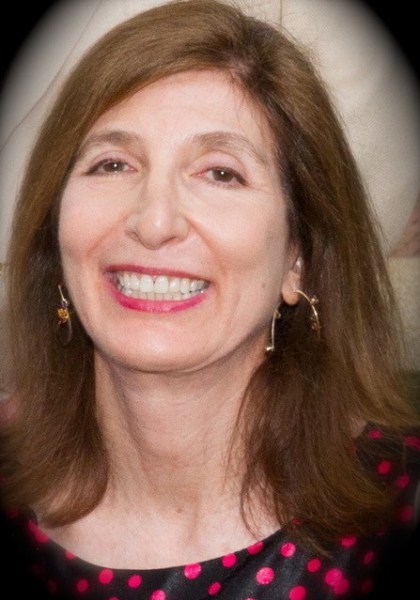
by Nadja Maril,a founding member of Old Scratch Press Collective

Food. We spend a substantial part each day preparing, serving, and eating. The tastes, aromas and textures bring back memories. And over the winter holidays, the sensations become magnified as we taste the turkey roasting in the oven, the creamy mashed potatoes, the fragrant puddings, the sweet and savory carrots, onion topped green beans, latkes and apple sauce, cheese blintzes, and buttery chocolate chip cookies.

This is why I enjoy writing about food. It’s easy. All I have to do is close my eyes, remember and think of words to describe memorable dishes, new tastes I discovered, and meals I’ve shared. Try it. Think of a favorite meal, why it stands out in your mind and the emotions you associate with that time. Write down you uncensored thoughts. Read over what you’ve written. Maybe cross out a few sentences and rewrite others. You’ve begun to write memoir, the start of what is called Creative Nonfiction and it wasn’t hard at all.

You can take those food thoughts and memories and turn them into fiction as well. There’s no shortage of food in fairy tales: the witch in Hansel and Gretal with the house made of gingerbread and candy, the red apple in Snow White, the porridge eaten by Goldilocks and the Three Bears.

Wonderful poems have been written about food ingredients. One of the most important items I use in savory dishes is onion. Chilean poet Pablo Neruda (1904-1973) wrote a wonderful poem about the onion I’d like to share.

ODE TO THE ONION
by Pablo Neruda

Onion,
luminous flask,
your beauty formed
petal by petal,
crystal scales expanded you
and in the secrecy of the dark earth
your belly grew round with dew.
Under the earth
the miracle
happened
and when your clumsy
green stem appeared,
and your leaves were born
like swords
in the garden,
the earth heaped up her power
showing your naked transparency,
and as the remote sea
in lifting the breasts of Aphrodite
duplicating the magnolia,
so did the earth
make you,
onion
clear as a planet
and destined
to shine,
constant constellation,
round rose of water,
upon
the table
of the poor.

You make us cry without hurting us.
I have praised everything that exists,
but to me, onion, you are
more beautiful than a bird
of dazzling feathers,
heavenly globe, platinum goblet,
unmoving dance
of the snowy anemone

and the fragrance of the earth lives
in your crystalline nature.

If you need more inspiration, start reading the latest issue of Instant Noodles Literary Magazine .All the stories and poems are inspired by GRAVY.

One of my favorites in this issue is “Thanksgiving Leftovers” by Arielle Arbushites which begins “Gravy gravy everywhere/and not a drop to drink” Hear her read the poem by clicking this link.

Forty-two creative expressions inspired by GRAVY! Who would have thought we’d get so many fine submissions on this topic. Read them and enjoy the writer’s different takes on the subject. Maybe it is a holiday dinner that goes wrong or a humble food offering that needs a splash of pzazz but all the stories have something to do with gravy.
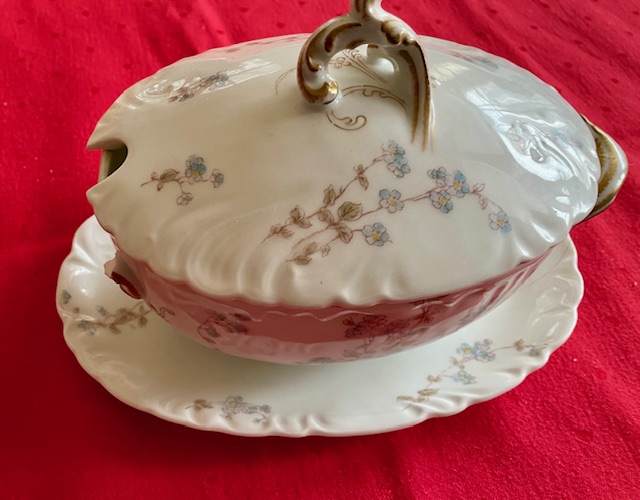
My creative nonfiction includes a nod to my great-grandmother’s Limoges covered gravy dish and a recipe. You can access it here or if you don’t want to read, you can listen here

Writers and Readers, don’t forget to forget to follow us on Facebook to get the latest news and learn about submission opportunities.

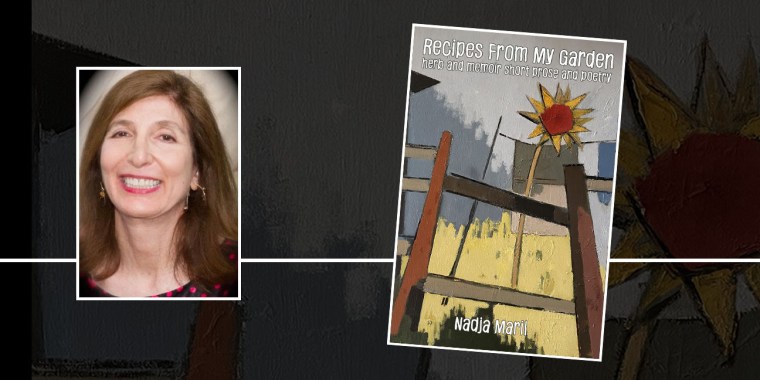
Nadja Maril is an award winning writer and poet who has been published in dozens of online and print literary journals and anthologies including: Lunch Ticket, Spry Literary Journal, Invisible City Literary Review, Instant Noodles and The Journal of Compressed Creative Arts. She is the author of Recipes From My Garden, published by Old Scratch Press (September 2024), a Midwest Review California Book Watch Reviewer’s Choice. An Anne Arundel County Arts Council Literary Arts Award winner, her work has been nominated for the Pushcart Prize and The Best of the Net. She has an MFA in creative writing from Stonecoast at USM.

Check out Nadja’s chapbook below and here.

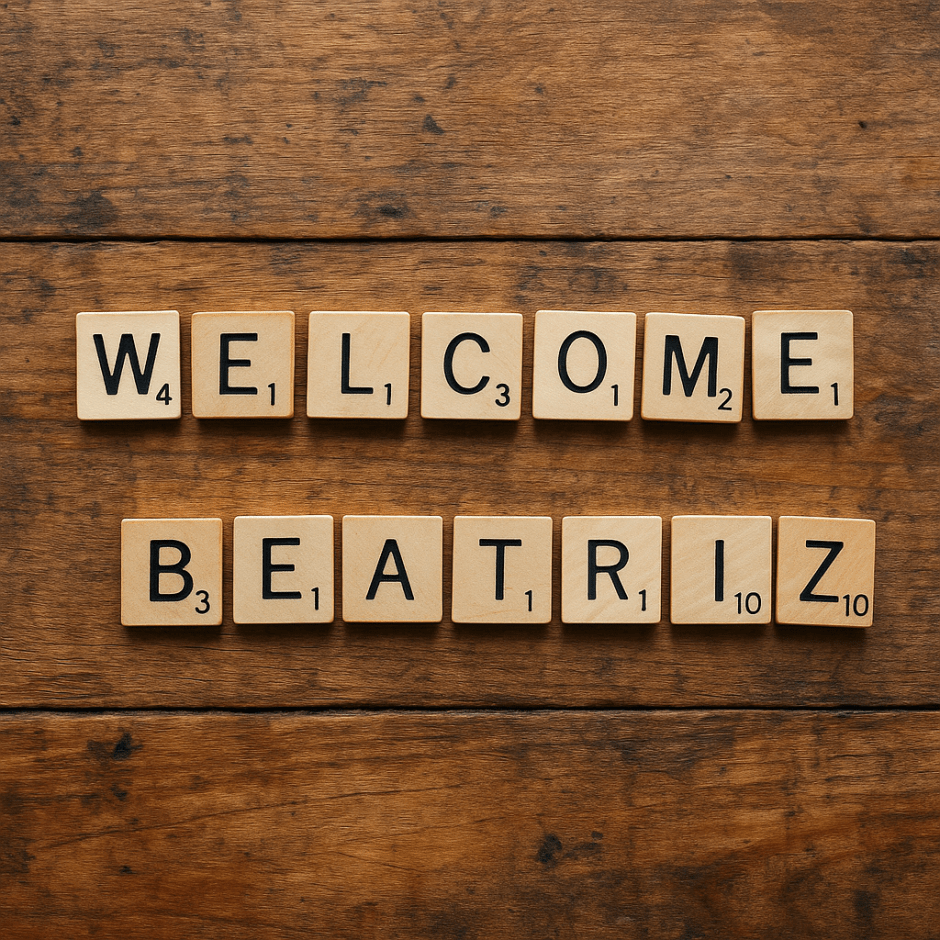
Welcome Beatriz Fernandez: Newest Member of Old Scratch Press

Old Scratch Press Short Form and Poetry Collective is pleased to announce that Beatriz Fernandez has recently become our newest member.  “I am thrilled and honored, “she says, “to join an online community of fellow writers from around the globe who support each other’s work, provide feedback and share our various skills and strengths.”

Although she didn’t try to get published until she was in her late forties, Beatriz has been writing all her life. 

“I write in both form and free verse, both mainstream and genre, and have recently begun to write flash and short fiction. In poetry, I favor historical persona poems written in the voices of women, whether historical, mythological, or fictional figures. I also write speculative poetry and short fiction. I try to include my love of robots, androids, or time travel in most of my stories.” 

Over the past ten years, Beatriz Fernandez’s work has been nominated for the Pushcart prize four times, and has been published in anthologies and journals as various as Label Me Latina/o, Prime Number Magazine, Strange Horizons, and Whale Road Review.  She’s authored three poetry chapbooks: the most recent, Simultaneous States, (Bainbridge Island Press, 2025) included some poetry set in Puerto Rico and some speculative poems.  Her eco-science fiction flash fiction piece, “Flow Time” was published this summer in a special Florida themed anthology by Gaslamp Pulp, a division of Nat 1 Publishing.  That publisher also just accepted her Puerto Rican Frog Prince adaptation titled “The Coquí Captain” for a children’s anthology of reimagined fairy tales.

Beatriz grew up in Philadelphia, Spain, and mostly Puerto Rico and then came to Florida to attend college.  During her junior year she established her Florida residency, met her husband, and began working in libraries.  “I fell in love with all three,” she says, “and subsequently found no reason to leave any of them!”

Describing herself as a late bloomer in both her library and writing careers; she became a professional librarian in her mid 30s.  On the way, she obtained an M.A. in English literature but found herself to be too much of a generalist to focus on a dissertation topic. 

“During this time,” she says, “I seemed to be under the impression I was a budding novelist while the reality was that I was writing more poetry than anything else.  My lightbulb moment came when I won a Writer’s Digest poetry contest that I entered on the very last day.  That stroke of luck seemed to finally put me on the right road and actively seeking to improve my poetry style.  I embarked on a long-distance phone tutorial with poet Andrea Hollander, who is a brilliant teacher and mentor, for several years; she helped me find my true voice. “

“Many writing classes, confabs and workshops later,” she says, “I’ve published almost every poem I’ve ever written! Now I feel I have come full circle—after starting out my writing career with long-distance tutorials, I’ve joined an online community of fellow writers.”

To learn more about Beatriz and to hear her radio interview on “Here and Now,” you can visit her website here

Thank you for reading this post and visiting the Old Scratch Press Blog. Next Saturday October 25th at 5:00 p.m., three members of the Old Scratch Press Team are participating in a special online reading from their newly published books. FREE. Read more about it here. And follow us on Facebook.

Creative Writing Prompt Inspired by Ann Patchett’s novel Tom Lake

By Nadja Maril, a founding member of the Old Scratch Short Form and Poetry Collective.

Summer and reading go hand in hand. You go on vacation and take along a stack of all those books you’ve been meaning to read.

Sometimes, for me I have to confess I’m actually listening instead of turning pages.( Did you know that most of the books published by Old Scratch Press are available as audio books as well as ebooks?) Half of the books I enjoy these days are recorded books because I can listen and do various chores at the same time.

I can also eat lunch and be entertained by a book without smearing avocado or salad dressing on its pages.

And then if I really love the book, or just want to see it laid out on the page, I get a physical copy from the library and enjoy it again.

I try really hard not to read books by the same authors, so I can introduce myself to new voices. However, I couldn’t resist downloading Ann Patchett’s latest novel, Tom Lake, because I was curious about what it had to do with cherry orchards. The audio version is narrated by Meryl Streep. What a treat.

I’m a Meryl Streep fan and the narrator and protagonist of Tom Lake, the novel is a former actress. True, she is a different kind of actress, “a natural”, as she reveals in her story telling, unlike Streep who has portrayed a wide range of characters, but the protagonist has performed on stage and screen nevertheless. Streep does an impeccable job

What I truly want to recommend about the novel is its construction. So, writers, and aspiring writers pay attention. Not only does Patchett incorporate unpredictable twists and turns into the storyline, but she skillfully interweaves past and present.

The present setting is a farm near Traverse City Michigan during the Covid Pandemic. The past setting, that jumps back and forth into the storyline, is a summer stock theater also in Northern Michigan called Tom Lake. Part of the fun of this story is the gradual reveal of how present and past fit together.

I highly dislike predictable plotlines. Thus, I shout the praises for a novel that continued to surprise me to the very last page.

If you are a writer, continuing. on the journey of further refining your craft, you may be interested in the upcoming opportunity to join the Old Scratch Press Writing Collective or the opportunity to become published in Instant Noodles Literary Review. The Collective applications are available here and the deadline is closing soon.

The next theme subject for the Holiday/Winter Issue of Instant Noodles is Gravy. Write a true story, a poem or a piece of fiction related to Gravy. Keep it short. We prefer prose that is less than 500 words in length.

Back to my thoughts on the novel Tom Lake and not wanting to give any spoilers, I’m going to provide a WRITING PROMPT instead:

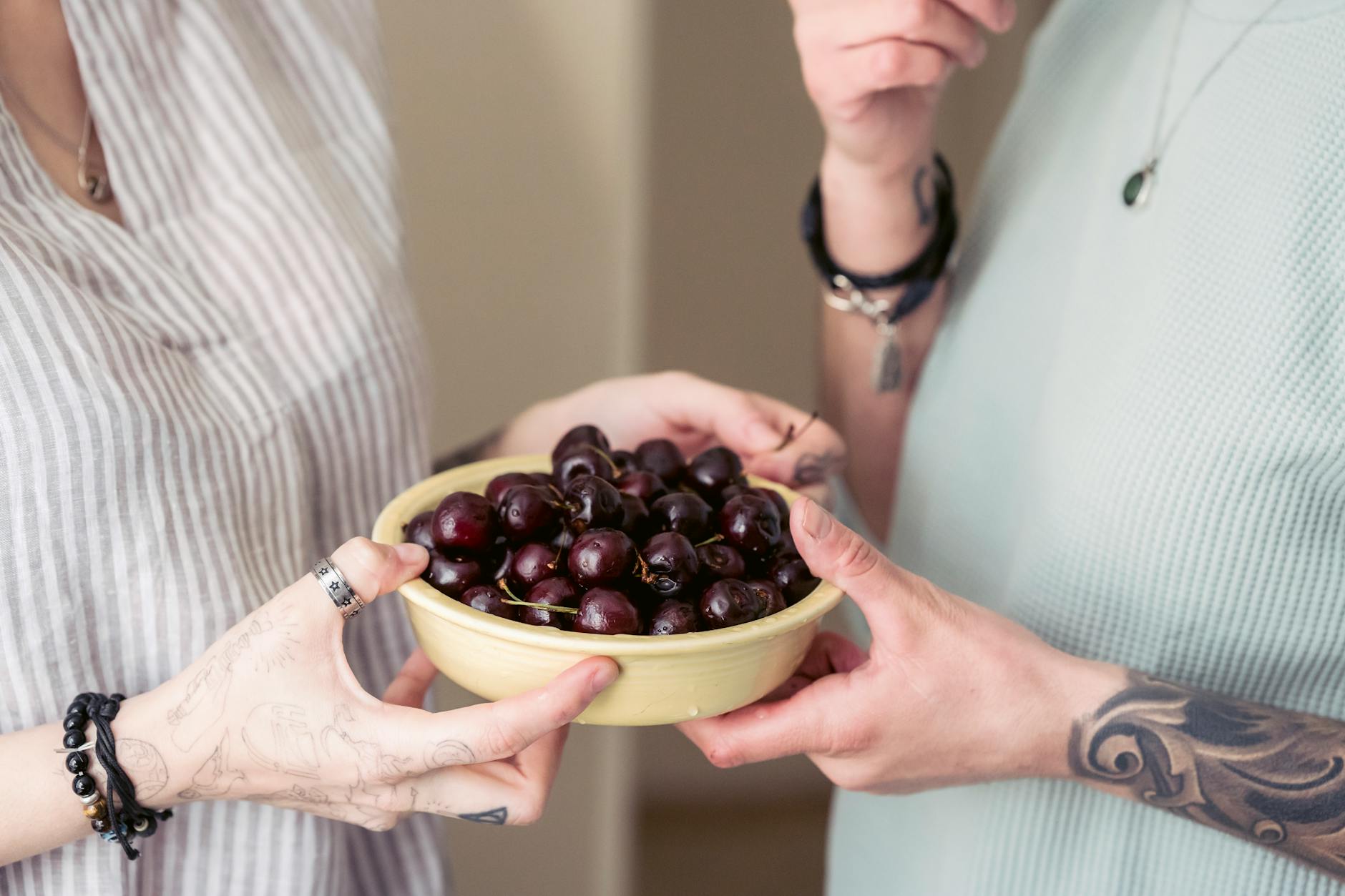
Photo by Sarah Chai on Pexels.com

IMAGINE your very first boyfriend or girlfriend, remember what they were like to be with and then write about what attracted you to them, what you admired. Now, write about their flaws.

Take a break. Maybe wait an hour or a day. Then imagine yourself with that person and what your life would be like. The third part to this writing assignment is to first think about what you would tell that person, if you had the opportunity, write them something—a letter, an essay, a poem—whatever genre form you choose. Do you have things you’d like to apologize about, or explain, or share?

Maybe this exercise will give you an idea for a story. Maybe not, but I guarantee you’ll learn something about yourself.

THANK YOU for reading. If you haven’t already signed up (it’s free!), please follow me on WordPress. Medium or Substack and visit my website Nadjamaril.com to read more of my work.

Nadja Maril is an award winning writer and poet who has been published in dozens of online and print literary journals and anthologies including: Lunch Ticket, Spry Literary Journal, Invisible City Literary Review, Instant Noodles and The Journal of Compressed Creative Arts. She is the author of Recipes From My Garden, published by Old Scratch Press (September 2024), a Midwest Review California Book Watch Reviewer’s Choice. An Anne Arundel County Arts Council Literary Arts Award winner, her work has been nominated for the Pushcart Prize and The Best of the Net. She has an MFA in creative writing from Stonecoast at USM. 

Join Us! You Know You Want To!

Chuffed!

Here I am with Linwood Jackson, President of the Delaware Press Association.

On May 1, I was awarded a Second Place in the Delaware Press Association Communications Awards for my book, The Song of North Mountain. This was my veryfirstever book released solely under my name, and the award presentation was exactly one year after the book hit publication.

I am quoting the judge, whose name I don’t know, in their comments regarding the award. “This is a beautifully crafted collection of poems that takes readers on a journey through nature, personal reflection, and the deep connection between the land and the human sprit. With vivid imagery and emotional insight, You (sic) capture the essence of the North Mountain landscape, blending personal growth, exploration, and the rhythms of life. The poems are rich with sensory details and metaphor, drawing readers into the natural world where every “rustle of leaves, shift of light, and breath of wind carries meaning.” I find that your writing, both introspective and outward-looking, intertwines the inner and outer worlds, exploring themes of solitude, contemplation, and the passage of time with tenderness and reverence, giving the collection a meditative quality.”

Many of us, particularly of my generation, suffer from imposter syndrome, that feeling that we’re really just pretending to be . . . smart, kind, good at what we do, talented, strong, etc. I’ve been writing since I was a teenager. Mostly doggerel, lines about angst, loss, imaginary friends, and wry observations. As I’ve aged and matured, so has my writing. I’ve discovered poets other than those I was raised on (Longfellow, Holmes, Browning) and many who write in rhymed and metered verse.

College introduced me to more complicated poetry – Ferlinghetti, Hopkins, Stevens, Auden, Eliot, Yeats. And then, foreign writers, like Rumi, whose ideas were so very different from those I had been immersed in.

So, I still wrote, but still privately, only sharing sparingly, for I still did not consider myself a “good” poet.

Well, I guess I am now. This anonymous judge really liked my work! The DPA, in their wisdom, selected judges that were not from Delaware. Delaware, being such a small state, is one where everyone knows everyone else, especially in communications and writing. So all I know about this anonymous judge is that he or she is not from around here. And, they liked my work.

Being a creator, whether in writing, arts, crafts, or just about anything, we have the angels and devils on our shoulders. One says, “Perfect. Absolutely PERFECT. Don’t change a thing!”

The other angel is the voice of the imposter. “Really? You expect anyone to like this? What balderdash! This is ROTTEN!” So we hide our creation away, or simply refuse to edit it.

I think we’ve all been there. The fact is, creating is a matter of taking risks. Making changes. Wondering if what we have written can be said better. And having the courage to play with it. Editing. Changing the recipe. Adding a stroke of color. 

I can certainly attest that every single poem and sketch in this book was analyzed, edited, and reworked (and rethought) at least 5 times.

Ghost Light, the poem I included in my last blog, was awarded a Second Place, also. This judge commented that “Your evocative, photographic-like details set the ghost-like mood and scene from the beginning. . . .” And, ‘the last stanza is particularly well-turned — “by chance or intent,/ catch the moment, . . . in a sudden shaft of dawnbreak.’”

The judge noticed. They noticed the internal rhyme, the alliteration, the combining of words to create a new meaning. These are ‘tools’ I labored over, hoping the reader would listen to these words and how they created an atmosphere, a feeling, a response.

We all too often hesitate to read out loud, to ourselves or to anyone else. But it is important. Whether we read to a child, or are read to, there is a chance for us to escape into the word picture created by the author. That’s what I try to do — create word pictures for you to explore.

You can find The Song of North Mountain on Amazon and other retailers, and my author page on Amazon. Follow me on social media at Facebook as Morgan Golladay, Writer and Artist, in Instagram as morgangi13, and please FOLLOW my blog too.

If you have a copy of The Song of North Mountain, please leave a review. Thank you! I appreciate it!

May 15, 2025

Pick up a copy!

Powell’s Books
Paperback
eBook

Audio (no subscription: download to your device)

Never Miss A Chance to Read Your Work!

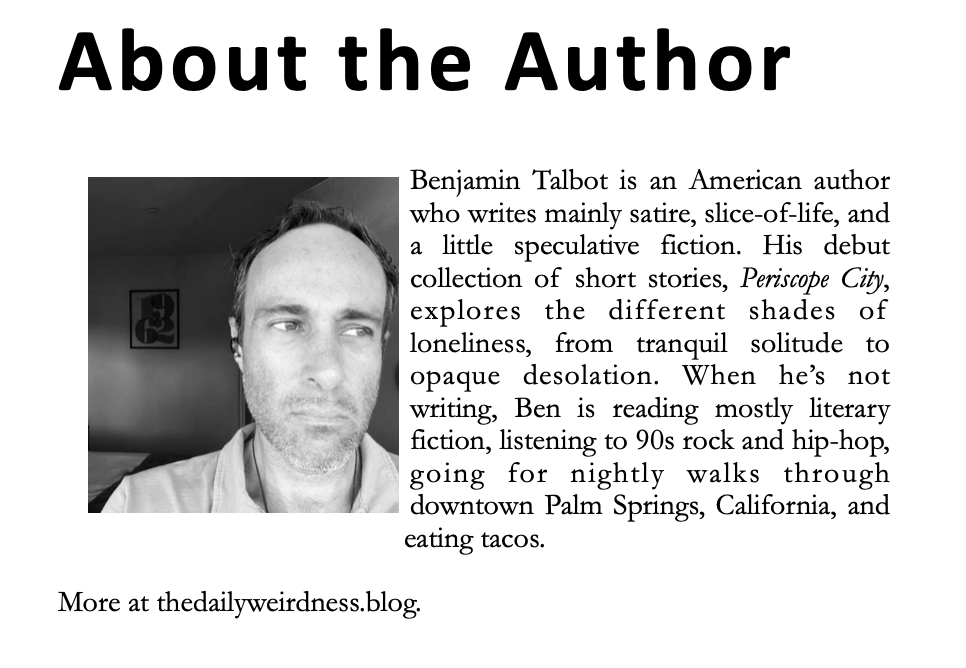
I want to invite you all to come out and support PERISCOPE CITY: WHERE THE LONELY GO TO LIVE ALONE with our Valentine’s evening “Love Stinks!” reading and open mic.

Join Zoom Meeting
Meeting ID: 886 1135 6295
Passcode: 090540

Ben’s book is, “A captivating series of short stories, both dramatically and philosophically enthralling.”
KIRKUS

“Ben Talbot excels at depicting a world both alien and familiar at the same time.”
MIDWEST BOOK REVIEW

Welcome to Periscope City, a place where nothing is quite as it seems. Its citizens are those with no one to love, caught in a paradox of escaping loneliness while clinging to it. Here, human emotion is fleeting, and love is nothing more than a transaction.
Each story in this collection delves into the heights and depths of solitude through its characters: a writer torn between seeking validation from fleeting romances and finding comfort in the safety of isolation; a former college football star lost in nostalgia, unable to connect with the present; a young runaway scarred by her past, drawn to this desolate town inhabited by loners and serviced by robots.
Prepare for an emotional gut-punch as you enter a strange, unsettling place where the broken-hearted choose to stay broken and prefer to live in solitude. Talbot’s haunting, satirical, and often absurd interconnected tales explore themes of self-destruction and elusive redemption.
Periscope City will immerse you in a world where the boundary between reality and fantasy is constantly shifting.

Ben is going to read a little from his book, and then we will open it up for poems, flash fiction/non-fiction to give you a chance to add your voice to the conversation about love and loss and loneliness, and answer the age-old question, “What becomes of the broken-hearted?”

If you’re not a pro at reading, it is imperative that you come and try your luck! What better night? We can be awkward, clumsy, lonely, and literary together!

Meet me in Periscope City Friday night:

8P Eastern
7P Central
6P Mountain
5P Pacific.

Hope to see you there, and hear you read. We’ll be sad without you….

In the meantime, enjoy this excerpt from the book!

Periscope City

Exploring Horror Writing: A Q&A with R. David Fulcher

We learn from asking questions, and what better way to explore the craft of writing than through an engaging Q&A with an author! This month the author I’m interviewing is R. David Fulcher who happens to be a member of the Old Scratch Press Poetry and Short Form Collective.

R. David Fulcher is a talented author with multiple books to his name. His most recent work, a captivating short story collection titled THE PUMPKIN KING AND OTHER TALES OF TERROR, showcases his passion for storytelling. A writer of both poetry and prose, he deeply loves speculative fiction, particularly science fiction and horror. You can explore more of his work on his blog at Rdavidfulcher.com.

This is the perfect month—the season of ghosts and goblins—to delve into the exciting craft of writing horror. Most of my questions in this post will focus on the intriguing insights from THE PUMPKIN KING AND OTHER TALES OF TERROR. Let’s celebrate the art of writing together!

Q: Question

R: Response

R. David Fulcher

Q: As a writer, what is your primary goal when interacting with your readers?

R: As a horror writer, I have two primary goals: 1) Establish an “eerie” atmosphere; and 2) Elicit a physical response in the reader. Yes, I hope to stimulate the readers’ minds as well, but I primarily want to elicit fear – a racing pulse, the small hairs standing up on the back of your neck, a shiver in your spine – only good horror tales have this effect.

Q: Was there a specific moment you remember, perhaps an experience that spurred you on to want to write this particular book?

R: The Pumpkin King and Other Tales of Terror (and the follow-up volume “Asteroid 6 and Other Tales of Cosmic Horror”) is sort of a “greatest hits” collection of my short stories, so unlike a traditional novel the stories were developed over many years and inspired by many moments and experiences throughout my life.

To give a sense of the age of some of the stories, the title story “The Pumpkin King” first appeared in a small press magazine entitled Mausoleum back in 2001!  Of course, all the stories have been heavily revised in the new book.

To provide an experience that spurred me to write a particular story, “Castle Marienburg” was inspired by a tour of that very castle during a visit to Germany in college.

Q: As both a horror writer and a poet, how has Edgar Allen Poe influenced your work?

R: In a way, Edgar Allen Poe led me to my genre. My high school English teacher taught a semester on Poe, and I was hooked.  I started writing dark, gothic short stories that day after school and submitting them to small press magazines shortly thereafter.

Q: Writing poetry and writing prose, how has the two different types of genres influenced each other in your writing?

R: My love for both poetry and prose has caused me to experiment with inserting sequences of poetry into my fiction.  Some examples of my stories that include embedded poems are “A Night Out with Mr. Bones”, “The Faerie Lights”, and “All Across the Mountain”.

Q: Did you work alone or did you rely on some feedback from others?

R: I initially write on my own, but I really enjoy it when people close to me review my work and give feedback on it.  For example, my brother Dale helped proofread the manuscript for The Pumpkin King and Other Tales of Terror, and after reading my short story “Asteroid 6” my wife Lisa was really impressed with the tale, so I was inspired to title my second volume coming out this Fall as “Asteroid 6 and Other Tales of Cosmic Horror”.

Of course, my publishers David and Dianne are also tremendous editors and their feedback has been essential to my work.

Q:Do you imagine you are writing for a specific person or a certain audience?

R: No specific audience. I will say that my writing is almost always in the realm of the fantastic, so fans of my work must be able to “suspend their disbelief” and just go along for the ride, trusting me to take them to a magical, almost unbelievable ending, even if all the facts don’t line up with reality. I think fans of hard science-fiction (Isaac Asimov, etc.) will have a hard time enjoying my work.

Q: How do you approach revision?

R:This goes back to things I’d tell my former self.  I used to put down the pen (yes, I write my stories out long-hand!) after a long, intense burst of writing (sometimes an entire story in a single sitting), push the manuscript back on the desk with a smile, and say “Perfect!”

I would then immediately submit the tale for publication, only to receive rejection after rejection, never understanding why.

I’ve finally learned that being a professional writer means spending almost twice the amount of time revising your work as you spent writing it in the first place.  So I approach it like work. I allocate time for editing/proofreading, I set deadlines, and I hold myself to them. The difference between my original manuscript written after a burst of artistic inspiration and the manuscript after several rounds of revision is often night and day.

Q: If you could give advice to your younger self, what would you want to tell them?

R: I’d remind my younger self that the success of a book is up to me. I used to self-publish with AuthorHouse (formerly 1st Books) and believed that getting my book on Amazon and buying the publisher’s “marketing kit” would instantly propel me to fame and the bestseller’s list.  I have learned the hard way over the years this is not the case. Publishing the book is just Step 1.  The real work is in the marking and promotion.

Q: How did you find your publisher or did they find you?

R: David and Dianne of Devil’s Party Press (now Current Words Publishing) met at the Indie Lit Fest at Frostburg State University in Frostburg, MD.  At the time they were accepting submissions for one of their Halloween Party anthologies and provided me with the information.  I submitted and was accepted. The rest as they say is history! 

Q: Do you have a specific horror story favorite you’ve read?

R: Several novels by modern horror writers have had a tremendous influence on my writing.  They include “Something Wicked This Way Comes” by Ray Bradbury, “The Tommyknockers” by Stephen King, and “HIdeaway” by Dean Koontz.

In your own portfolio, a story you are particularly proud of?

R: I have a few favorites among my stories that don’t always correlate to fan favorites.  The first is “Castle Marienburg”, which was originally titled “Eyes in the Night”. A horror editor in the small press called it one of the best horror stories he had ever read, which was very satisfying. Others include “Spectra’s Masterpiece”, a science fiction story about AI published back in the early 2000’s well before AI became a commonplace topic, and “The Land Spider” in the way that it incorporates native American mythology.

Q: Do you have a “day job” to help pay for your writing habit, and it so, has it impacted in any way your writing?

R: During my day job I work as an IT Contractor.  My work with computers has spilled into my fiction with my stories “ELECTRIC”, where a boy becomes one with his home computer, and “The Witch Toaster,” where a group of programmers within an IT Department must battle supernatural forces.

Thank you for reading and visit the Old Scratch Press Website to learn more about our authors and upcoming publications.

Authors Electric Interview with Nadja Maril

This week author Nadja Maril released her collection of flash prose, poetry, and essays inspired by her kitchen, garden, and family memories. I sat down with Nadja to ask her some questions about the book, and her process. It’s interesting to note that Nadja comes from an artistic background: her late father Herman Maril was an artist, and his painting is the cover of her book. I have enjoyed Nadja’s poetry and flash fiction for many years now, and I am very excited for her book!

Dianne Pearce (Dianne): What inspired you to combine poetry, short form, gardening, and cooking in one book? How did these different forms of expression come together?


Nadja Maril (Nadja): In January 2020 I’d just completed an MFA (masters in fine arts) in creative writing from the low residency Stonecoast Writing Program at the University of Southern Maine and was in the midst of moving into a 100-year-old house. My husband Peter and I were the General Contractors. Both the MFA and the house were two-year projects. I’d been laboring over a complicated literary novel told from multiple viewpoints, and my daughter (the youngest of my three children ) was about to get married. Peter and I were looking forward to having the wedding at our re-built house, with the festivities primarily outside. We scurried to move into the house, plant flowers and shrubs, and revitalize the lawn. Then the pandemic shut everything down. 

Want to read more? Pick up the remainder of the piece at AUTHORS ELECTRIC.

Google Doodle Celebrates Dorothy Miles

Click on photo to visit the Google Doodle page

Wonderful that Google has dedicated today’s Google Doodle (August 19, 2024) to Dorothy Miles.

Miles, as it says, was a pioneer of poetry in sign language. This is significant because poetry is often still widely considered to be an oral form of creative writing, written down, yes, but meant to be read aloud, or memorized and recited, performed. But can it be performed and not be spoken?

Here are a few performances by Ms. Miles, courtesy of YouTube:

There is no sound. Can you understand the poem?

And here is a third poem:

Do Miles’ poems speak to you, without use of the voice? In a medium that began as fully performative, how does it feel to have to attend to her movements with your eyes, more than her words, the sound of them, with your ears? Are the poems lost on you? Or do they move you? 

Approximately eleven million Americans are deaf, and many more have some form of hearing loss. When I watch Ms. Miles perform her poetry, one thing that struck me immediately was the feeling of being disconnected, because I could not hear her, though she looked to be speaking. Once I settled in I found the works engaging, and they really tapped into my emotions much more quickly than poetry usually does.

What makes a poem a poem? What does it mean to be a poet? Poetry has been one of the oldest and most consistently practiced form of creative writing, and it has also been some of the most exclusionary. Ms. Miles opened that door for people who could not use their ears to enjoy poetry, or their mouths to speak their poems aloud.

Ms. Miles’ career in poetry ended when her life did, after a fall from a window that was concluded to be self-inflicted due to mental health challenges she was experiencing. If you know someone experiencing a crisis please consider using the 988 helpline.

This, my friends, is why diversity is so important. Without an open system that welcomes diversity, without open hearts to give something different from the “norm,” “average,” what we’re used to, what’s traditional, or simply what we’ve come to expect, we close the door on beautiful experiences like poetry written and performed by Ms. Miles. When we celebrate poetry in all its forms, we invite more people to have the chance to share with us their creations. Not every creation is the right one for every person, but when you find the one that touches you, you will find yourself forever changed.

Thank you, Dorothy Miles, for your poetry.