At Old Scratch Press, we know Anthony Doyle first and foremost as a poet.
A writer of precision. Of restraint. Of lines that do more than they seem to at first glance.
That sensibility does not disappear when he moves into prose. It deepens.
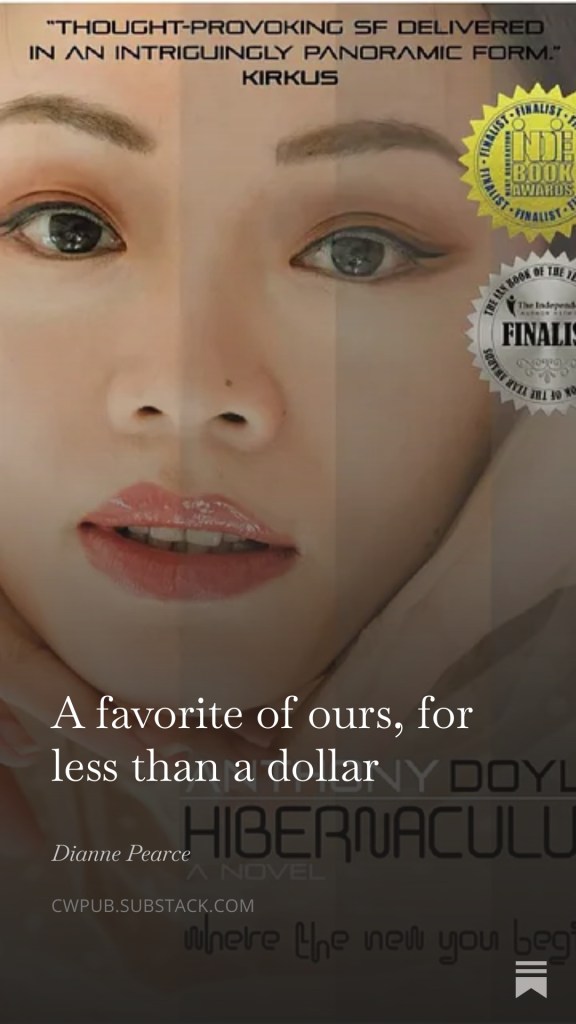
In Hibernaculum, Doyle brings that same attention to language and silence into a speculative world shaped by human hibernation. The result is a novel that feels, at times, like an extended meditation. A work that unfolds deliberately, asking the reader not just to follow a story, but to sit inside it.
This is not a departure from his poetry. It is an expansion of it.
The same questions are here. Identity. Time. What it means to leave and return. What it means to remain.
For those who have read Anthony’s poetry with us, Hibernaculum offers a chance to experience that voice working at a different scale. For those who have not yet encountered his work, this is a striking place to begin.
For a limited time, the Kindle and Nook editions of Hibernaculum are available for 99¢.
There are many types of formal poetry and for anyone who likes to write poetry, it’s worth your time getting to know these forms and trying a few as well. This teaches us all about meter and rhyme, how a poem should look on the page, and trying some of these is just plain fun. Here is a short run down of twenty different types of poetry. See how you do with some of these! You might surprise yourself, find a from you really like, and write a collection of them.
Acrostic: first letter of each line spells something
Ballad: narrative like a folk story
Blank Verse: Unrhymed but has iambic pentameter
Cinquain: five-line poem with 2-4-6-8-2 syllables per line
Concrete: has a shape on the page like a tree
Elegy: a mourning to someone gone
Epic: long, narrative work like Hiawatha
Found: taking and reframing words from other sources like newspapers
Ghazal: couplets that share rhyme and refrain
Haiku: Japanese form of 5-7-5 syllable pattern
Limerick: a humorous poem of 5 lines
Lyric: short poems of emotion
Narrative: a form of story telling
Ode: message to a subject, event or object
Pastural: Idealized environment, often rural life
Sestina: complex 39-line poem
Slam: Oral, competitive poetry
Sonnet: 14-line poem with specific rhyme scheme about love think Shakespeare
Villanelle: 19-line. 5 tercets followed by a quatrain with 2 repeating rhymes and 2 refrains
The Ode is a great form to try. Odes were developed in Ancient Greece. An ode then was a song or chant performed to celebrate athletic victories. Odes are praise using rich and clever description. Here’s a famous example of an ode poem.
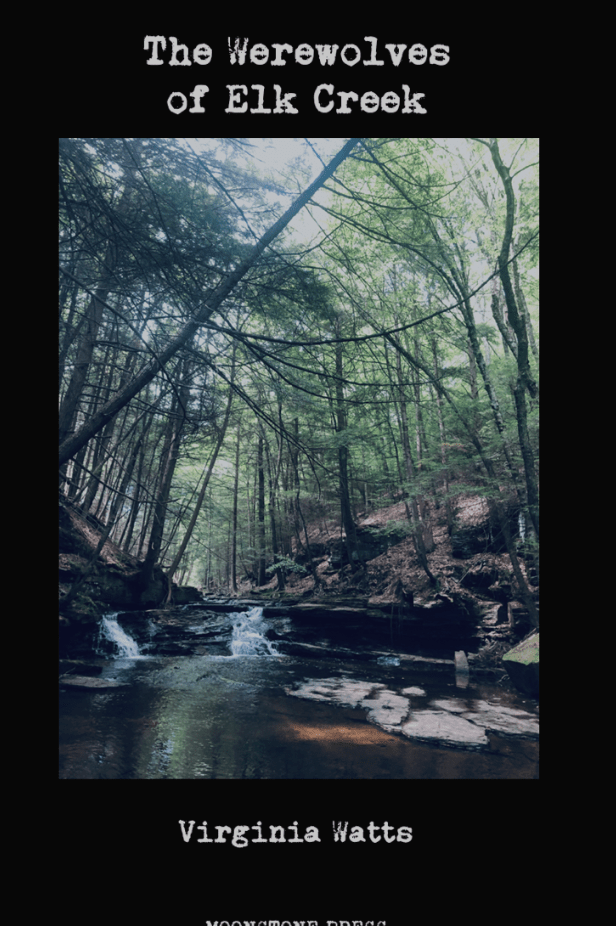
Virginia Watts is the author of poetry and stories found in The MacGuffin, Epiphany,CRAFT, The Florida Review, Reed Magazine, Pithead Chapel, Eclectica Magazine among others. She has been nominated four times for a Pushcart Prize. Her debut short story collection Echoes from the Hocker House was short listed for 2024 Eric Hoffer Grand Prize, selected as one of the Best Indie Books of 2023 by Kirkus Book Reviews, and won third place in the 2024 Feathered Quill Book Awards. Please visit her.
Virginia’s new book is now available from Old Scratch Press:
If you haven’t delved into the Zine scene lately, you may be missing out! A zine, pronounced “zeen,” short for “fanzine” or “magazine” is a personal hand-crafted publication that can contain anything the creator’s imagination can supply and often devoted to unconventional subject matter!
Zines are made to share, trade, explore, discover and celebrate all modes of self-expression that can be printed: writing, art, photography. All you need to create a basic one is pen and paper. (A photocopier helps if you want to produce more quantity!)
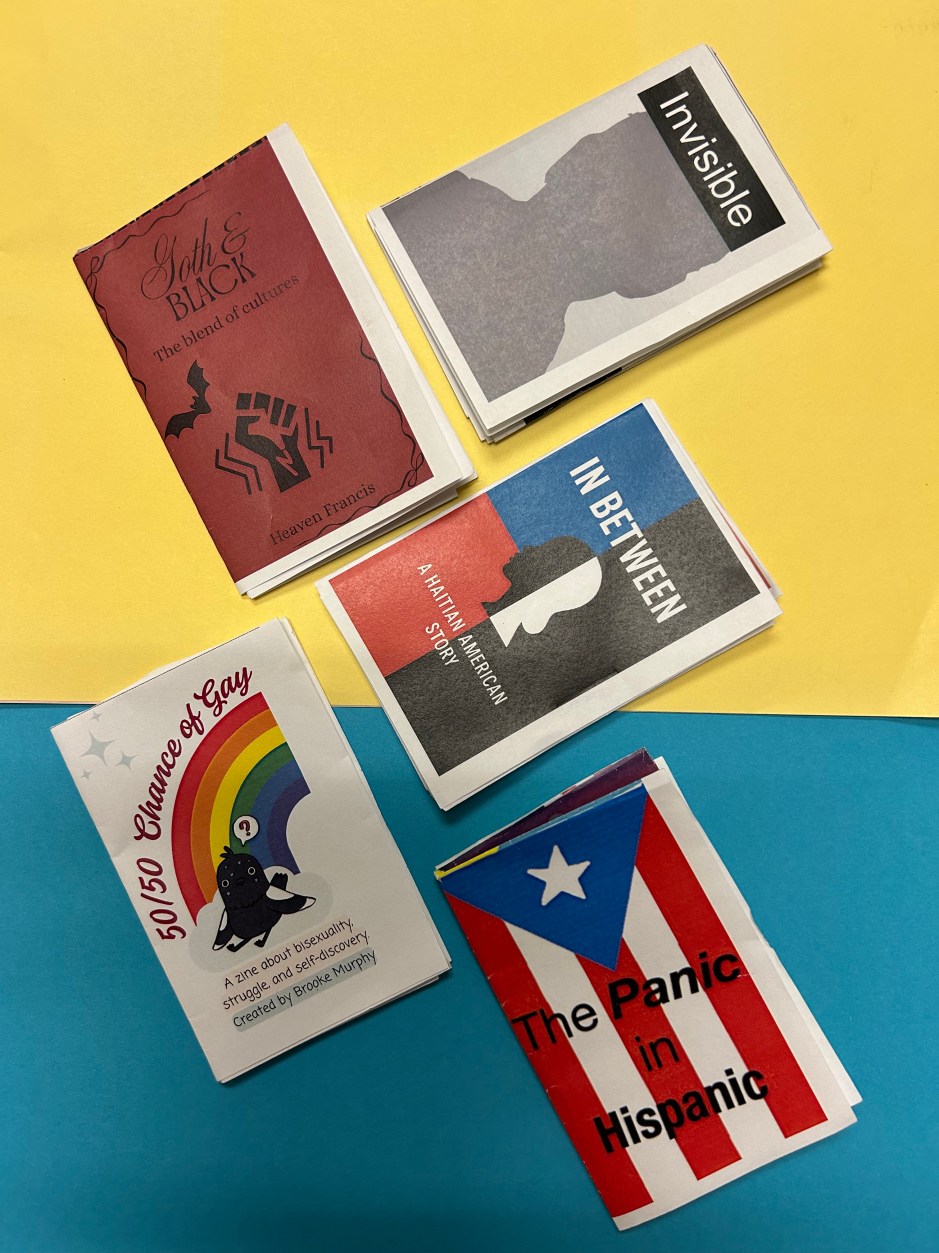
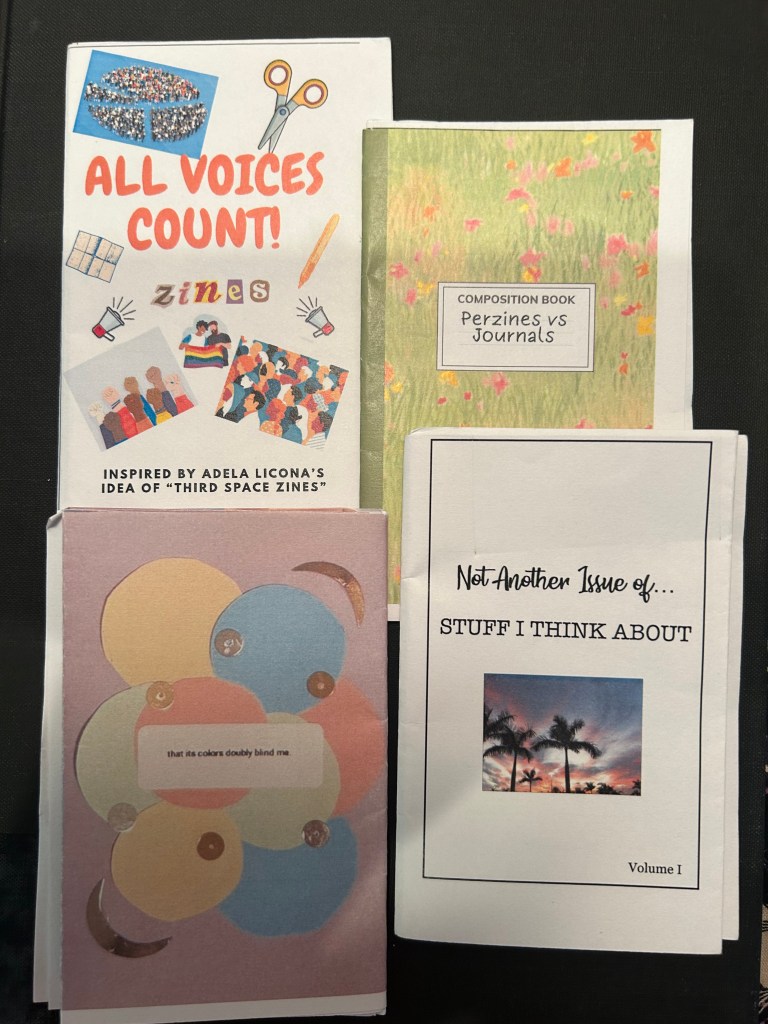
My latest close encounter with zines happened when a professor at the university where I work asked to display her students’ zines in the library where others could read them or even take one with them if they wanted. She was teaching a class called Zine Writing and her students produced a variety of zines on fascinating topics ranging from their personal struggles with cultural assimilation to social justice issues affecting them and their families. I was really captivated by their insightful observations and the accompanying artwork, which included collages, flags, maps, masks, pictures of food, drawings and even a playlist!
These zines were tiny pamphlets cleverly folded from a single 8.5 X 11 piece of paper, but zines come in all shapes and sizes.
How-to Zine
A quick YouTube search will yield many zine-making tutorials:
This guide shows how to make a zine from a single piece of paper such as the students did—no staples required!
Find a Zine Event Near You!
If you want to fire up your imagination, you can view original zines or learn how to craft one at a Zine fair or Zine fest! Zine events take place worldwide; you can easily search for your city or region and zine fair/ zine fest / zine event and the current year to find a zine-making workshop at your local library or a zine festival that includes many publishers:
Printed Matter lists both national and international zine events organized by state or country.
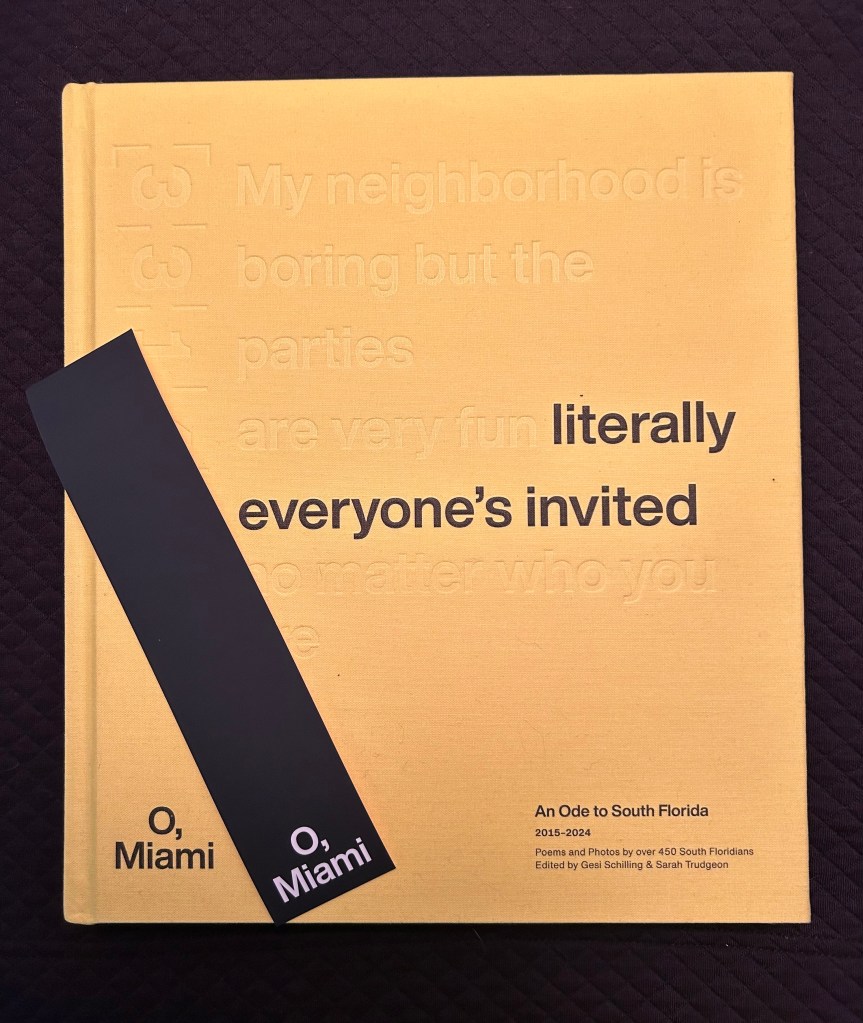
“Founded in 2015 by EXILE Projects as part of O, Miami Poetry Month, the Fair is a free, public celebration of self-publishing and independent print culture. Each year, it brings together over 150 artists, writers, illustrators, activists, and poets from Miami and beyond.
Visitors can explore hundreds of zines—handmade and expertly crafted—alongside workshops, performances, and multimedia projects. Open to all ages and backgrounds, the Miami Zine Fair invites the public to browse, touch, and engage with the vibrant world of independent publishing.”
Zine New Wave
Some see the Zine resurgence as a response to an increasingly digital world:
One reason writers and poets are attracted to the zine medium:
”Zines offer an intimate platform for sharing personal stories, poetry, and experimental writing that might not fit into traditional publishing models.”
The above article offers advice on how to delve deeper into the zine culture:
“Zine Fairs and Festivals: Keep an eye out for local and online zine fairs. These events are fantastic opportunities to discover new zines, meet creators, and connect with the community.
Independent Bookstores and Art Spaces: Many independent bookstores and art galleries are now stocking zines, recognizing their cultural significance.
Online Communities: Platforms like Instagram and Tumblr host thriving zine communities. Search hashtags like #zine, #zinester, #diyzine, and #[yourcountry]zines to discover creators and connect with others.
Directly from Creators: Many zine makers sell their work directly through their own websites or social media. Support independent artists by buying directly!”
“Social critiques, personal diary rants and impassioned protests are just some of the topics commonly discussed within feminist zines. Zines are able to bypass traditional gate-keeping mechanisms that silence non-dominant voices and perspectives. As a result, zines offer a platform upon which feminists of all genders are using words, images and other non-violent discursive practices to advocate for equity, mobilize activist efforts and build and sustain community.”
You can see how zines have become a much-valued venue for self-expression!
Dip a toe in the zine pool and you might wake up a tsunami of creativity!
This week in the New York Timesthere is an article about Mark Oppenheimer writing Judy Blume’s biography. When he began the project, so he says, she liked him and gave him access to her life and her circle, etc. When he sent her the draft, she no longer liked him or the book he was writing about her. Apparently she sent him quite a big pile of notes, and contact ceased soon after that. He published the book anyway. He, and book’s narrator, Molly Ringwald, feel like Judy has to put up with his book, and that Mark did a fine job. According to the NYT article, Molly said, “There might be moments that Judy doesn’t like or agree with, but overall I think it’s a respectful treatment of her and her literary significance.” And, “If Mark didn’t show Judy’s flaws or humanity, it would be hard to feel invested.”
At what point does your life stop being your own? I might argue it’s when you become a parent. But, eventually they grow up, and you get to pivot back to yourself somewhat. Mark could have written the book with, or without, Judy’s help, and that’s the danger of being that level of author, but the fact that she gave him permission at first, and then was unhappy with what he made of her life, gives me pause. How much do we own our own life story?
The NYT made the main photo of the piece one of Mark sitting in a bunk bed. I don’t like this. He’s not at the age, or in life circumstances where he would actually be the person who sleeps in that bed. To me it is a ploy to make him look more innocent. I don’t think he is. I’m disappointed in Molly. For full disclosure, I read a bit of Judy Blume as a kid, from Margaret to some of the adult books, most of them for the sexy bits, honestly. Hey, I was in middle school. But, with apologies to Judy, I have seldom thought of her since. I tried reading Margaret to my daughter when she was in middle school, and we both found it didn’t age well. Plus, my daughter was not raised with the same religiosity I was. So there’s that for the longevity of the book in my life. And anybody can write a biography of anybody. The trick, like it is with our own books, is to get people to read it.
Still, do Mark, Molly, and his publishing company have the right to own Judy’s story, to make the truth of Judy’s life Mark’s version of the truth?
I say no. I say this is another woman losing agency over her own body, life, and body of work, to a man and a corporation. And it seems her only recourse might be for Judy to write her autobiography, to set the record straight. I cannot imagine anything as boring as writing out my own life story. And believe you me, I’ve had a fascinating life. Ha! Whether I have or I haven’t, I’m not ready to relive it all like I’ve had a near death experience. No, no no.
So, whose life is it anyway?
I would love to hear your thoughts.
Dianne Pearce is the chief editor and bottle washer at Current Words Publishing, and the half-cocked imaginer behind Old Scratch Press and Instant Noodles. Pearce loves helping writers realize the dream of having their work published. I mean she is really crazy about doing that for some reason. To that end, to join in the fray, to look at the thing from the other side, to stand in another’s shoes, and all of those things, she is fully expecting and promising to publish her first collection of poetry, In the Cancer Cafeteria, spring of 2026. Please don’t hold your breath. For very long. Happy 2026!
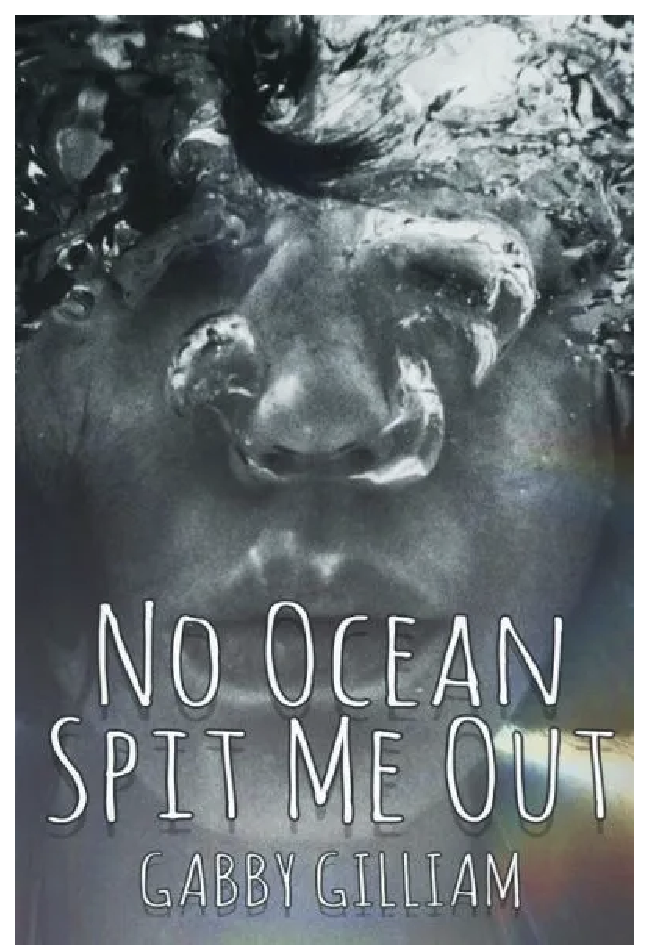
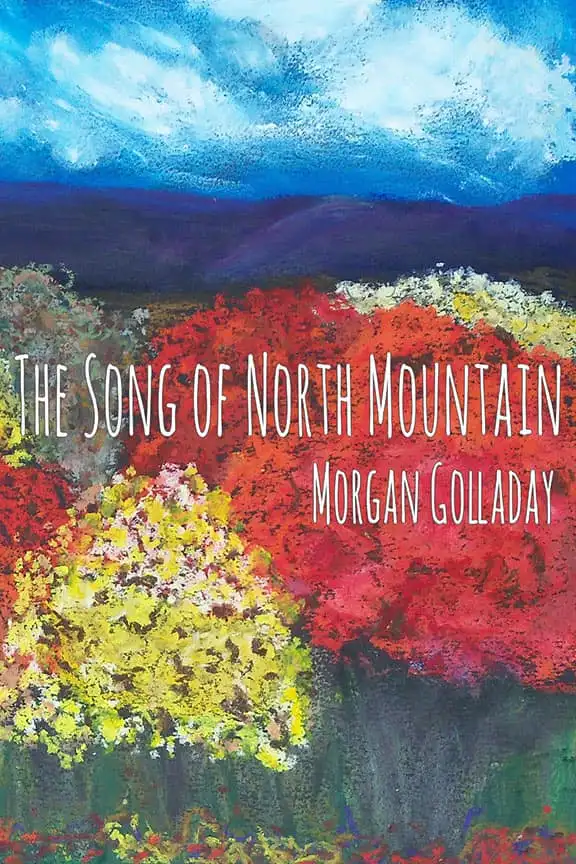
Gabby and Morgan are part of the featured selections from the Community of Literary Magazines and Presses for Women’s History Month!
Check it out here:
And pick up a copy of these great books!
NO OCEAN SPIT ME OUT is a captivating debut collection of poetry by Gabby Gilliam that delves deep into the intricate tapestry of family dynamics and personal evolution. Within its 30 poems, the collection embarks on a profound journey through the stages of coming of age, navigating the complexities of familial bonds, grappling with organized religion, and ultimately, embracing the essence of self-acceptance.
Each poem in NO OCEAN SPIT ME OUT serves as a poignant reflection of the human experience, capturing moments of vulnerability, resilience, and growth with eloquence. Through lyrical prose and emotive imagery, Gilliam paints a vivid portrait of the joys and struggles inherent in the process of self-discovery.
Whether you’re seeking solace in the shared experiences of family relationships or searching for introspective insights into the nuances of identity and faith, Gilliam’s collection offers a profound and thought-provoking exploration of the human condition.
From the mighty pen of artist and author Morgan Golladay comes The Song of North Mountain, a transformative collection of poetry and art celebrating the famous and mystical North Mountain of Appalachia.
North Mountain, a wildland in the George Washington and Jefferson National Forests of western Virginia, has been recognized by the Wilderness Society as a special place worthy of protection from logging and road construction. The Wilderness Society has designated the area as a “Mountain Treasure.”
Morgan Golladay brings her readers to dwell in the reverence of this wonderful wilderness.
Golladay is an award-winning author who was raised on North Mountain and lives in coastal Delaware as part of a thriving artist and author community. All words and art in this book are by Golladay.
The Song of North Mountain is National Book Award nominee!
by Nadja Maril,a founding member of Old Scratch Press Collective
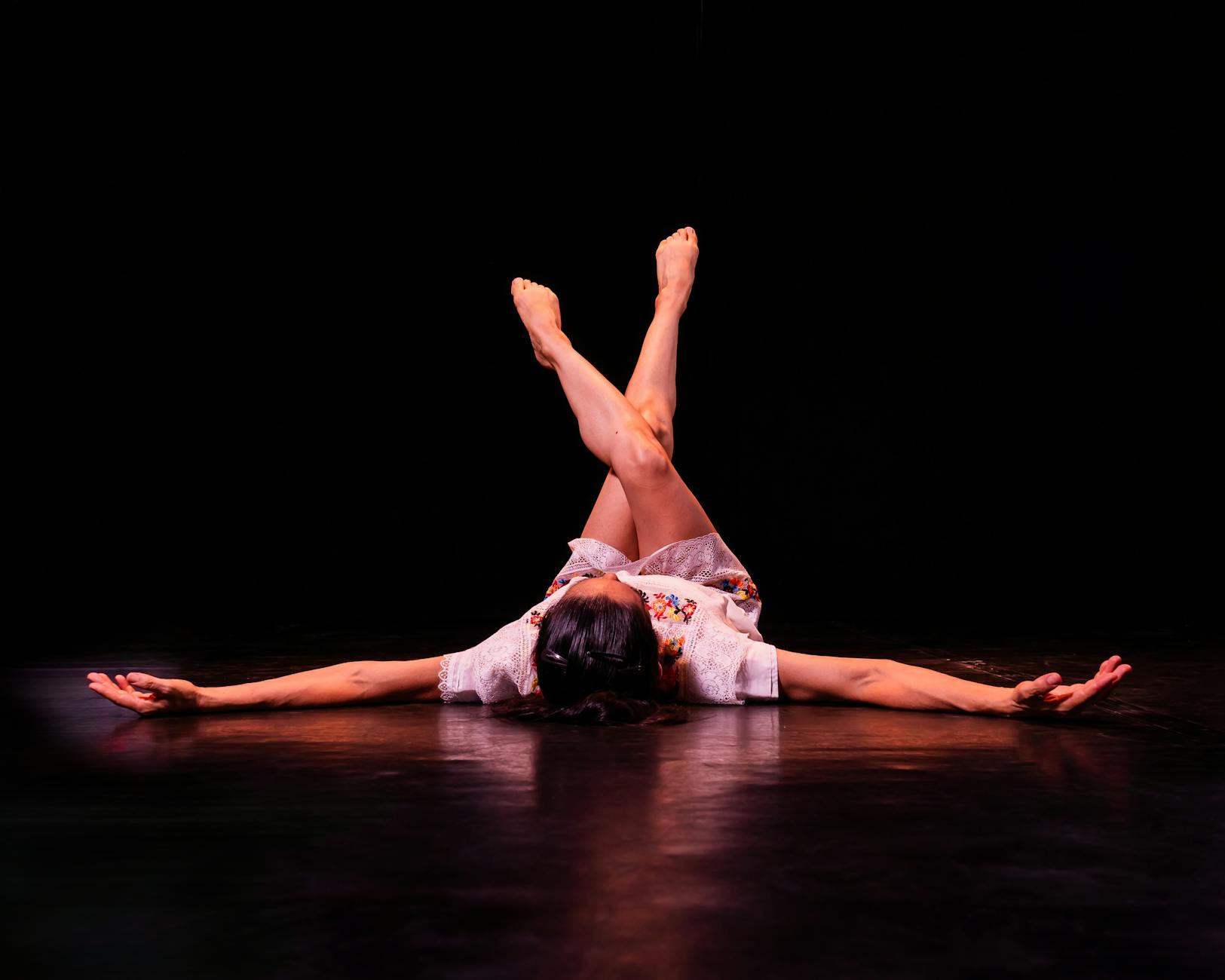
Many decades ago, I choreographed a dance to accompany a poem. I selected a poem by E.E. Cummings, “In Just—” Which in my mind I titled, “In Just Spring.”
I picked that particular poem for its exuberance. I could imagine myself interpreting the verse with movements that were both fast and slow, languorous and springy. The challenge was to select movements that I could execute while reciting the words.
in Just-
spring          when the world is mud-
luscious the little
lame balloonman

whistles          far          and wee

and eddieandbill come
running from marbles and
piracies and it's
spring

when the world is puddle-wonderful

the queer
old balloonman whistles
far          and             wee
and bettyandisbel come dancing

from hop-scotch and jump-rope and

it's
spring
and

         the

                  goat-footed

balloonMan          whistles
far
and
wee
This poem was written in 1923, over one hundred years ago.
Cummings was an experimenter who developed his own personal style. Although classically trained, with multiple degrees from Harvard University, he used punctuation as it suited him. Spaces on the page were seen as opportunities to spread out the pacing or to combine several words into one breath. Conjunctions were sometimes nouns and selected words might take on additional assigned meanings.
Hailed as one of the most influential and important poets of the 20th century, Cummings embraced the concept of Visual Poetry. Words were placed on the page to create shapes and images that serve to reinforce the mood of the verse.
It was easy for me to dance the role of the goat-footed balloon man, after seeing the words establishing his presence “skip” across the page.
The line “whistles far and wee” is spread out, which enabled me to say the individual words with enough time to run from one side of the stage to the other side.
In writing poetry, thought is often devoted to line breaks and capitalization. Traditional or avant garde, the last word in a line typically takes on greater importance. By choosing not to capitalize the first word of a line, emphasis is softened.
Try changing the line breaks on a poem you are working on. How do your changes impact the poem? Try adding extra spaces between words or merging them together. Once again, how do these changes reshape a poem’s texture and meaning?
In contrast, when you write a prose poem using sentences, it is the order and sound of the words that must create the poetry. No one approach is better than another. It all depends on what you are trying to achieve.
In a few more weeks it will officially be Spring, here in the Northeast USA where I live. I look for birds returning from the winter vacation in the south and I hear “in-Just” recited inside my head. Crocuses begin pushing up through the muddy soil. Bicycles are pulled out of storage and pastel chalk pictures are drawn on the sidewalk. No balloon man, but it is the start of outdoor birthday parties.
The idea of adding movement to your recitation of a poem, may inspire you to choose different words when writing verse.
WRITING PROMPT: Try writing a poem about a season, place, or time. Maybe your piece is about a mood such as anger or maybe it is about a feeling such as being satiated. Often a poem focuses on the visual, but instead think about movement. Use active verbs. In Cummings short poem the wind and the balloon man whistle. The children run and dance.
What did you create? Maybe you’re on to something you like. Keep playing with the concepts and see where they lead you. Part of the enjoyment of writing, is discovering what works and what doesn’t work.
Read the work of other poets, and as March is Women’s History month, I am going to suggest three women poets:
Writers and Readers, don’t forget to forget to follow us on Facebook to get the latest news and learn about submission opportunities.
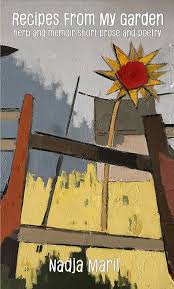
Nadja Maril is an award winning writer and poet who has been published in dozens of online and print literary journals and anthologies including: Lunch Ticket, Spry Literary Journal, Invisible City Literary Review, Instant Noodles and The Journal of Compressed Creative Arts. She is the author of Recipes From My Garden, published by Old Scratch Press (September 2024), a Midwest Review California Book Watch Reviewer’s Choice. An Anne Arundel County Arts Council Literary Arts Award winner, her work has been nominated for the Pushcart Prize and The Best of the Net. She has an MFA in creative writing from Stonecoast at USM.
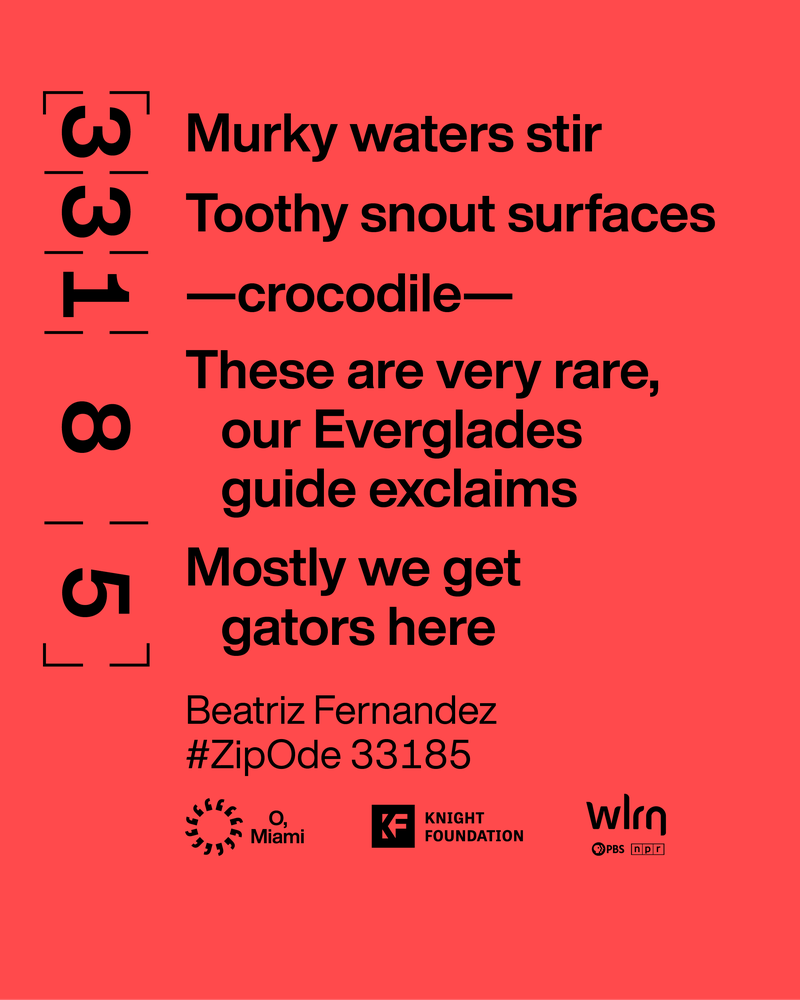
The ZipOde, aka Zip Ode, is a fun, five-line poetry form invented by the O,Miami Poetry Festival in collaboration with WLRN Public Radio and Television.
The ZipOde celebrates the local life, the daily struggle, the beauty and ugliness, the minor and major frustrations and joys of living in a specific place.
Here is how you can write an ode to your own zip code!
Write the numbers of your zip code on five separate lines.
Each number will determine how many words that line will have.
(Similar to haikus but substitute words for syllables.)
If you have a zero in your zip code, then you can either leave it blank, insert an emoji or image or consider it a wildcard line of 1-9 words!
WLRN celebrated the 10th anniversary of the invention of the ZipOde in 2025 and as it turns out, I was the very first person to submit a ZipOde in O, Miami’s first call for submissions back in 2015. Always on the lookout for inspiration in unexpected places, I liked the idea of writing a place-centered short poem that celebrated my neighborhood.
You can read some stories about the 10th anniversary celebration and read some ZipOdes here.
Although the ZipOde form originated in South Florida, it has been celebrated in several other cities; O, Miami and WLRN offer it as a resource to anyone who wants to try it, as long as they attribute its creation to the O, Miami Poetry Festival and WLRN.
Tips for writing a ZipOde:
Use impactful words
Work those contractions!
Limit your scope but remain expansive
Anchor it geographically
If you have a 1 in your Zip Code (as I do), use it to maximum effect by making it a memorable, impactful word. Don’t waste the limited real estate in a ZipOde by using it for a connecting word like “and,” not that there haven’t been some excellent ZipOdes that do just that!
When you’re dealing with a limited word count—make contractions your friend! Why say “we have” when “we’ve” will work?
My favorite ZipOdes by other writers are the funny, pithy ones, but for my own, my preference is to look around me and celebrate the beauty and mystery of the nature that surrounds us—the trees, the birds, the animals, the wide-open skies.
ZipOde Examples
33185
Panthers’ eyes gleam deep in the Everglades blinking under that kite of stars, the Pleiades. What they’ve seen, we’ve forgotten.
33185
Hidden between hurricanes, this city’s soul quivers like the flight of the Miami blue butterfly killed by the slightest frost
It’s best to focus on one image, given the brevity of the poem, but the form lends itself to much experimentation and infinite variety.
I like to try to add a word that anchors the ZipOde to a place, since that is the whole point of the form! Images work, but also consider evocative scents, tastes, colors.
If you read some examples online, you will see that other poets celebrate their families, homes, neighborhoods in every way possible. The unique qualities of South Florida life are highlighted in trenchant, wryly fond-toned odes.
ZipOdes as Memoir
You can have fun commemorating all the different places you have lived and worked by writing ZipOdes! My workplace has two 9s in its zip code—riches! But even if yours has 1s and 0s, consider it a challenge—similar to when composing a haiku—to express yourself so succinctly.
33199
Driving to campus, coffee in cupholder steaming, the morning sun Stonehenged between skyscrapers in the east– in my rearview mirror, a flock of ibises rises..
ZipOdes can be dedicated love notes to your birthplace (or your child’s) or your favorite vacation spot or the place you met your significant other. As a collection, they can tell the story of your life—in code!
If you’ve ever been to a poetry reading, you’ve probably heard it. The slow cadence. The dramatic pauses. The slightly mystical tone. The voice that signals: I am now doing Poetry.
In fact, when I think about that sentence read in “poetry voice” it would be read like this:
The voice that signals I am now doing poetry
And each line would end with an up tone, as if the performer was asking a question.
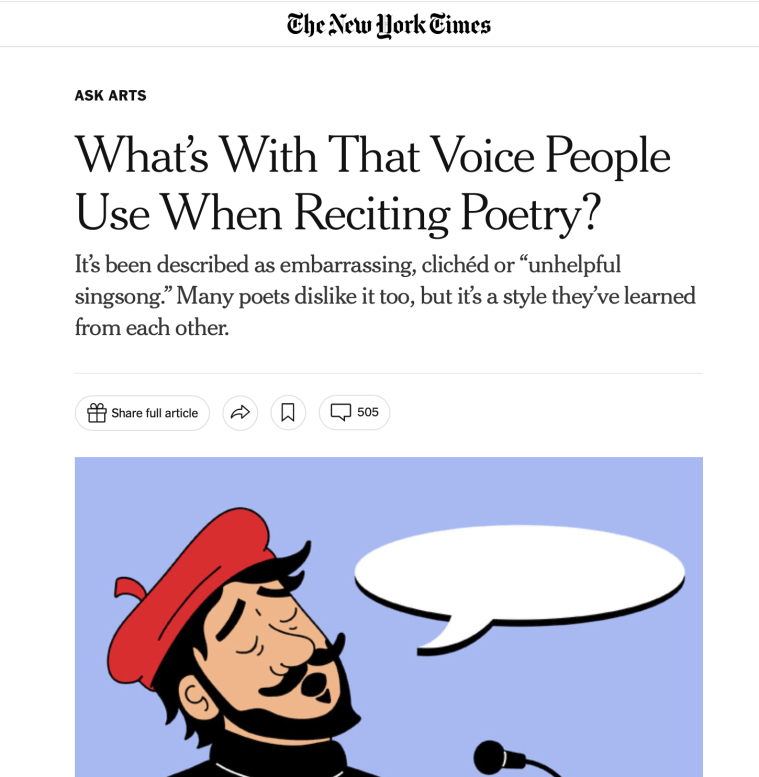
The recent New York Times article digs into this phenomenon, often called the “poet voice,” and asks why many poets fall into the same stylized way of reading their work aloud.
For some listeners, the article says, that way of reading feels comforting and familiar. For others, awkward, distancing, or makes the poem feel like a performance ritual rather than a piece of language meant to connect.
The article points out something important: this isn’t just about aesthetics. It’s about how poetry exists in two worlds at once. On the page, poetry is quiet, private, intimate. Out loud, it becomes physical, embodied, communal. Voice, breath, pacing, silence, and tone all reshape meaning. The same poem can feel completely different depending on how it’s read.
And yet, many readings sound strangely similar.
Why?
There’s also a bigger tension here. Poetry has deep roots in oral tradition. Long before books, poetry lived in voices, memory, and storytelling. But modern literary culture often treats performance and “serious writing” as separate worlds. Spoken word, slam, and performance poetry are seen as different categories entirely, even though they’re doing what poetry has always done: using voice to create meaning. They also might sound different, as performance, when compared to how people read on the performance evenings in your MFA program.
I remember, from the first time I saw poets read aloud, at a bar in Philadelphia in the 1990s, thinking that it was weird that many of them read their work in the same way, and wondering why they did. When I was in my MFA program, and we would read our work at student readings, us poets, fellow students, often read that way. I remember it as mainly the other white women, and that the students and teachers/established visiting poets, could be people who did it. Not that all of them did it, you understand, but that it happened at times among student readers, teacher readers, and visiting poet readers, and it was, in the main, done by my fellow white women. I don’t remember the guys reading that way. I also remember that the teachers (minus a few) and the students in the poetry track were incredibly serious about the writing and performing of poetry. I don’t know that I ever got quite that serious, which is probably a character flaw. You know I’ve got me some of those.
On Threads people are losing their minds about the article (slow news day?) so, let’s talk about it:
• When you hear poetry read aloud, does it deepen your connection to the work or pull you out of it? • Do you think “poet voice” is a real thing, or just a stereotype we’ve internalized? • When you hear poetry read aloud, does it deepen your connection to the work or pull you out of it? • Have you heard “poet voice?” • How do you read your own work aloud? Casually, dramatically, flat, musical, conversational? • Should poetry readings sound like performance, conversation, or something else entirely? • Is hearing the poet’s voice an added layer of meaning, or an intrusion on the reader’s imagination?
You’re looking for something to read and you go online and start googling. You enter words that describe what you find entertaining.
This is what editors and publishers do when they solicit submissions by selecting a theme. They try to narrow the number and types of submissions to zero in on what they’re seeking, based on what they think their readers will enjoy.
They choose a word, WATER, for example, and they announce their next issue theme will be WATER. Or maybe they choose a more specific description such as CHILDHOOD MEMORIES ABOUT BASEBALL. They request that writers submit pieces specifically related to the theme. If you send something outside the theme, it will be automatically rejected
Seize the Opportunity
The call out can be very specific. For example, this month Screams and Wails Anthology( deadline 2/28/2026) Screams and Wails Anthology is looking for “Horror stories with music or music culture as a predominant theme.”
A part of you may be thinking, I love the music scene but I don’t write horror stories. Or maybe you write horror stories but you have very little inside information on music culture. Are you going to give up that easily? A call out for a specific theme narrows the competition, if you are willing to do the homework. Plus, you may learn something new and have fun.
is looking for submissions for Volume 18 for their “Gather ‘Round Children—a special issue celebrating oral-tradition poetry and the timeless power of stories carried by the human voice. Specifically they ask for poems that “feel as if they could be shared around a fire: lyrical, narrative, rooted in memory or myth, and crafted to live strongly on the page.”
Maybe you do not consider yourself a poet but you love to sing to your children. Perhaps this call-out might inspire you to try writing a poem that you imagine as a song.
Is looking for stories, essays and poems that associate with the theme Habits. The Editor’s tip: Habits are things you do the same way every time, usually with the hope of a positive outcome.
We all have habits. Some we do to make us healthier, for example, I take a walk each morning. What is a habit you’d enjoy writing about? As a bonus you could write about someone else’s habit that you admire and your poem or could be a special gift to them, even if it doesn’t get published.
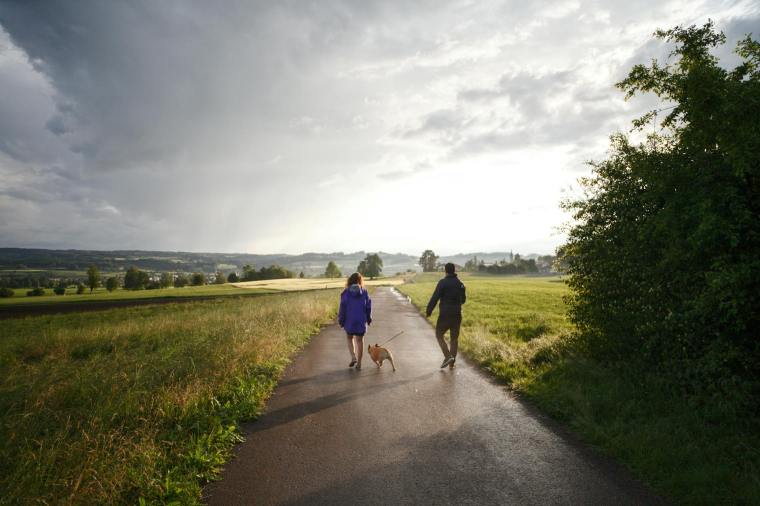
Taking a walk each morning is a habit you might want to write about.
is putting together an anthology of short stories and the theme is Splash. The word splash provides a good deal of latitude. I can think of stories related to swimming, waterfalls, and jumping into puddles as well as the use of the word as a term for making an impressive and immediate impact. If you enjoy word puzzles, the challenge of all the different ways the word Splash can be used should yield impressive results.
has a theme call out: Planes, Boats, Cars, Trains. The request is for poems, short essays, memoir and fiction (under 500 words). The pieces are for publication online in Issue One of Volume 6 (Deadline 3/15/2026). The ideas one could conceive of that one could submit are fairly wide ranging. So if you are a writer, how are you going to make you piece of writing stand out from the crowd?
As one of the editors on the project, I thought I’d share what attracted me to this particular theme.
Most humans live a fairly frenetic life, often on the move. In the famous ancient Greek stories surrounding Oedipus, he is asked a riddle by the sphinx in exchange for safe passage and his life, “Who walks on four legs in the morning, two legs at noon and three feet in the evening? The answer “Man” has humans crawling as babies in the morning, walking on two legs as adults and needing a cane ( the 3rd leg) in the evening. Mankind is always on the go. If not walking, we’re in the car, on a train, plane, or boat. (Feel free to include buses, helicopters, and subways).
Many of the best stories and poems involve getting from point A to point B via a car, train, boat, or plane. Are you up to the challenge? LET’S START WRITING….
WRITING PROMPT
Planes, Boats, Cars, Trains
Looking out the window, inside at the passengers or thinking about something? What happens when you’re on the move?
Interesting things can happen when you’re on the move and in a confined space. Plenty of murder mysteries take place on a boat or a train. The number of passengers are limited and there are places to hide.
The passenger looks out a window and see images that may bring joy or dread. They may be stuck sitting next to a stranger they find fascinating or an acquaintance they’d prefer to avoid. Create a scene, write down a memory, convey your feelings about a brief journey.
Then think: What if? What happens if the protagonist has lost their ticket or the car breaks down? Maybe it happened, Maybe you’re imagining it happening.
Here’s the hard part. Make it short. Every word should count. Read what you’ve written out loud. Each phrase/ and/or sentence should provide something essential. Whatever you can eliminate, start crossing stuff out.
Read it again. Let it sit for a week. Do another revision and make certain whatever and whenever you submit to Instant Noodles Literary Magazine or any other publication, you have carefully reviewed your work and it is ready for publication. Check over carefully for grammar, spelling, and punctuation errors.
Nadja Maril is an award winning writer and poet who has been published in dozens of online and print literary journals and anthologies including: Lunch Ticket, Spry Literary Journal, Invisible City Literary Review, Instant Noodles and The Journal of Compressed Creative Arts. She is the author of Recipes From My Garden, published by Old Scratch Press (September 2024), a Midwest Review California Book Watch Reviewer’s Choice. An Anne Arundel County Arts Council Literary Arts Award winner, her work has been nominated for the Pushcart Prize and The Best of the Net. She has an MFA in creative writing from Stonecoast at USM.











 OLD SCRATCH PRESS