
Tag: poem
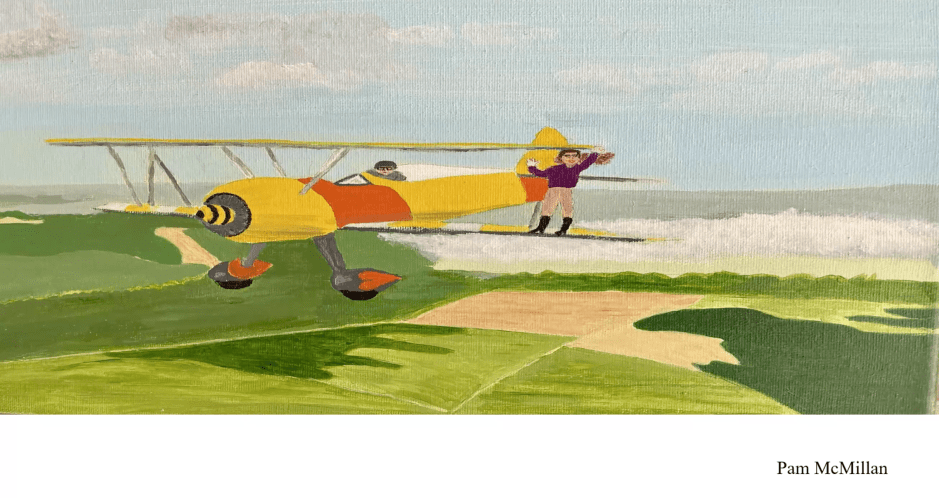
When Art Follows You Home
One of the unexpected joys of editing a literary magazine is discovering artists whose work stays with you long after you’ve finished the issue.
That happened to me recently with a painting by Pam McMillan that appeared in Instant Noodles Literary Magazine. I admired the piece so much that I reached out to Pam and purchased it.
Pam began drawing as a student and later studied watercolor with artists Hank Meier, James Toogood, and Sarah Yeoman. Her artistic interests also include acrylic painting, pastels, and photography. Drawing inspiration from both her travels and her imagination, she creates work that is colorful, inviting, and full of personality. Along the way, she has earned numerous awards at the Delaware State Fair, belongs to several local art leagues, and teaches watercolor painting.
What struck me most about this particular painting was its sense of movement and joy. Some artwork simply makes you stop scrolling and look a little longer. This was one of those pieces.
One of the things I love about literary magazines is that they introduce us not only to new writers, but also to talented artists we might never have discovered otherwise. Every issue is filled with opportunities for unexpected connections.
This time, one of those connections followed me home.
Do you collect art? What moves you to buy a piece?
You Might Already Have a Poet Laureate
When most people hear the term “Poet Laureate,” they think of a nationally recognized poet appointed to represent poetry across an entire country. What many writers don’t realize is that poet laureates exist at many levels, including states, cities, counties, tribal nations, universities, and even local arts organizations.
In fact, your community may already have a Poet Laureate.
The word laureate comes from the laurel wreaths awarded to distinguished individuals in ancient Greece and Rome. Over time, the term became associated with artists and writers who were formally recognized for their contributions. Today, a Poet Laureate is generally a poet selected to serve as an ambassador for poetry within a particular community.
While the United States Poet Laureate receives the most attention, local poet laureates often have a more direct impact on everyday readers and writers. Their responsibilities may include giving public readings, visiting schools, organizing workshops, promoting literacy programs, supporting local literary events, and encouraging people to engage with poetry.
The specifics vary from one community to another. A state Poet Laureate may travel widely throughout the state, while a city Poet Laureate might focus on local schools, libraries, and community events. Some positions are largely ceremonial. Others involve active outreach and public programming.
For poets, these positions are worth paying attention to for several reasons.
First, local poet laureates are often deeply connected to the literary life of their communities. They may organize readings, maintain event calendars, promote local writers, or create opportunities for poets to share their work.
Second, poet laureate programs frequently support projects that benefit writers and readers alike. Community anthologies, public poetry installations, workshops, festivals, and educational programs often emerge from laureate initiatives.
Third, some poets may eventually wish to pursue a laureate position themselves.
Many writers assume these positions are reserved for nationally known poets. While experience and publication history certainly help, local laureate programs often seek poets who are engaged with their communities and interested in promoting poetry. The ideal candidate is not always the most famous poet. Often, it is someone willing to serve as an advocate for literature and the arts.
Selection processes vary widely. Some poet laureates are appointed by elected officials, arts councils, libraries, or cultural commissions. Others are chosen by review committees after an open application process. In many communities, poets may nominate themselves, while in others they must be nominated by another individual or organization.
If the idea interests you, start by researching your local area. Search for your state’s Poet Laureate program, check with your city or county arts commission, visit local library websites, and explore arts organizations in your region. Even if your community does not currently have a poet laureate program, learning how neighboring communities operate theirs can be illuminating.
You may also discover opportunities to serve on committees, volunteer at literary events, participate in public readings, or support initiatives created by current laureates. These experiences can help you become more involved in your local literary community while building relationships with other writers and arts advocates.
Perhaps the most important lesson is that poetry exists far beyond books and literary journals. Poet laureates remind us that poetry can be part of civic life, education, public art, and community engagement. They help bring poetry into places where readers might not otherwise encounter it.
So here’s a challenge: spend a few minutes researching your community. Does your state have a Poet Laureate? Does your city? Your county? A nearby university? You may discover that a poetry ambassador is already working in your area, creating opportunities for writers and readers alike.
And if no such program exists, perhaps that’s a conversation worth starting.
We’d also love to hear what you discover. Does your state, city, county, tribal nation, or university have a Poet Laureate? What kinds of programs, readings, workshops, or literary initiatives are they involved in? Share what you find in the comments. One of the joys of the poetry community is discovering the many different ways poetry is supported across the country, and your local laureate may inspire poets in places far beyond your own backyard.
Virginia Watts
Virginia Watts is the author of poetry and stories found in The MacGuffin, Epiphany, CRAFT, The Florida Review, Reed Magazine, Pithead Chapel, Eclectica Magazine among others. She has been nominated four times for a Pushcart Prize. Her debut short story collection Echoes from the Hocker House was short listed for 2024 Eric Hoffer Grand Prize, selected as one of the Best Indie Books of 2023 by Kirkus Book Reviews, and won third place in the 2024 Feathered Quill Book Awards. Please visit her.
Virginia’s new book is now available from Old Scratch Press:

Her prior poetry chapbooks Shot Full of Holes and The Werewolves of Elk Creek
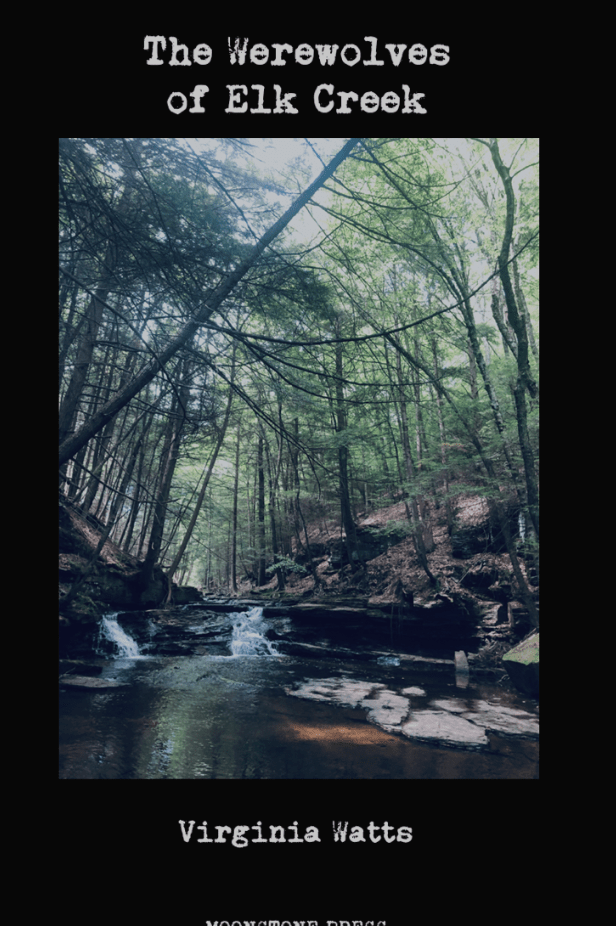
are available from Moonstone Press. And her debut short story collection Echoes from the Hocker House is not to be missed!

Should You Self-Publish Your Poetry Book?
One of the most common questions poets ask is whether they should self-publish their work or pursue traditional publication. Unfortunately, there is no single answer that fits every writer. The best choice depends on your goals, your audience, and what you hope to achieve with your collection.
Traditional publishing offers several advantages. An established publisher may provide editing, design, distribution, and marketing support. Publication through a respected press can also carry a certain level of prestige and may help introduce your work to readers who would not otherwise discover it. The challenge, of course, is that poetry collections can be difficult to place. Many presses receive far more submissions than they can publish, and acceptance often requires patience, persistence, and a willingness to face rejection.
Self-publishing offers a different path. It gives poets complete creative control over their work, from the selection of poems to the cover design and publication timeline. Rather than waiting months or years for a response from a publisher, authors can move forward when they feel their manuscript is ready. For poets who have already built an audience through readings, workshops, social media, or literary journals, self-publishing can be an effective way to connect directly with readers.
Some poets choose a middle path by working with a partner publisher or cooperative press. In these arrangements, authors may receive professional support with editing, design, production, and distribution while maintaining a greater degree of involvement and creative control than is typical in traditional publishing. Depending on the organization, costs, responsibilities, and royalties may be shared in different ways. For poets who value both collaboration and independence, this approach can offer an appealing alternative.
Regardless of the path you choose, publishing comes with responsibilities. Self-published authors often become project managers, responsible for editing, design, formatting, distribution, and promotion. While modern publishing platforms have made it easier than ever to produce a book, producing a professional-quality collection still requires time, effort, and attention to detail.
Cost and sales expectations should also be part of the decision. Most poetry collections sell modestly, regardless of how they are published. Traditional publishing may reduce or eliminate upfront costs for the author, but royalties are often lower and advances, when offered, tend to be small. Self-publishing allows authors to retain a larger share of each sale, but they are usually responsible for expenses such as editing, cover design, and formatting. Before choosing a path, it is worth considering not only how you want to publish your collection, but also who you expect to buy it and how you plan to reach those readers.
Another factor worth considering is where you are in your writing life. Many poets who choose self-publishing or cooperative publishing are not necessarily doing so because they failed to secure a traditional contract. Often, they are at a stage where they no longer wish to spend years waiting for permission to share work that feels ready. They want to hold the book in their hands, place it in front of readers, and move on to the next project.
At the same time, younger poets sometimes underestimate the opportunities self-publishing can create. A professionally produced collection can help establish a readership, create speaking opportunities, and serve as a foundation for future publishing projects. Publishing independently does not close doors. In some cases, it opens them.
Some poets hesitate to publish independently because they worry it will make them seem less legitimate than poets associated with universities, MFA programs, or established literary presses. Those concerns are understandable. The literary world can sometimes feel hierarchical, and it is easy to conclude that certain credentials matter more than the work itself.

In reality, good poetry emerges from many places. Many wonderful poets come out of MFA programs, universities, and literary journals. Poetry has always been larger than academia.
What is also true is that many poets outside those circles sometimes feel excluded, intimidated, or invisible. It can be easy to assume that publication by a university press or admission to a prestigious program automatically makes someone a better poet.
Yet poetry’s history tells a more complicated story. Whitman wasn’t an MFA. Dickinson wasn’t an MFA. Frost wasn’t an MFA. Bukowski wasn’t an MFA. Mary Oliver wasn’t an MFA.
The truth is that poetry has many rooms. The university is one of them. It isn’t the whole house.
There is also a reality that many poets, regardless of publishing path, eventually discover: marketing is largely the poet’s responsibility. Traditional publishers can help, and some presses do far more than others, but few poetry collections succeed because a publisher does all the promotional work. Readers connect with poets who are willing to participate in readings, interviews, social media, literary events, newsletters, podcasts, and conversations about their work. Whether your collection is traditionally published, self-published, or released through a cooperative press, your willingness to help readers discover it will have a significant impact on its success.
Perhaps the most important question is this: Why do you write poetry?
If your primary goal is to secure a publishing contract, your path may look very different from someone whose goal is to share meaningful work with readers. Most poets do not begin writing because they dream of contracts, advances, or industry recognition. They write because they love language, because they have something to say, or because poetry helps them make sense of the world.
A publishing contract can be gratifying, but it is not a measure of artistic worth. Many talented poets never receive one. Publication decisions are influenced by timing, editorial preferences, market considerations, and simple luck, not talent alone. Failing to secure a traditional publishing deal does not make someone a failed poet. Likewise, receiving a publishing contract does not automatically make someone a great one. The quality of the work and the commitment behind it matter far more than the path it takes into the world.
For many poets, the goal is not to generate significant income, but to be read. We spend countless hours shaping language in the hope that a poem will connect with another human being. Whether that connection happens with ten readers or ten thousand, there is something remarkable about knowing your words have found a home in someone else’s mind.
A well-crafted collection that finds its readers is a success, regardless of the path it takes to get there. Poetry isn’t really complete until somebody reads it.
What has your experience been? Have you self-published poetry, pursued traditional publication, or explored both routes? We’d love to hear your thoughts in the comments.
Friendly Reminder: This Is Today.
I can help you submit! Submit!
You know that story you’ve been meaning to write? The poem sitting in your notebook? The idea you’ve been carrying around for three weeks while telling yourself you’ll get to it “soon”?
Well, this is your official notice. “Soon” is today.
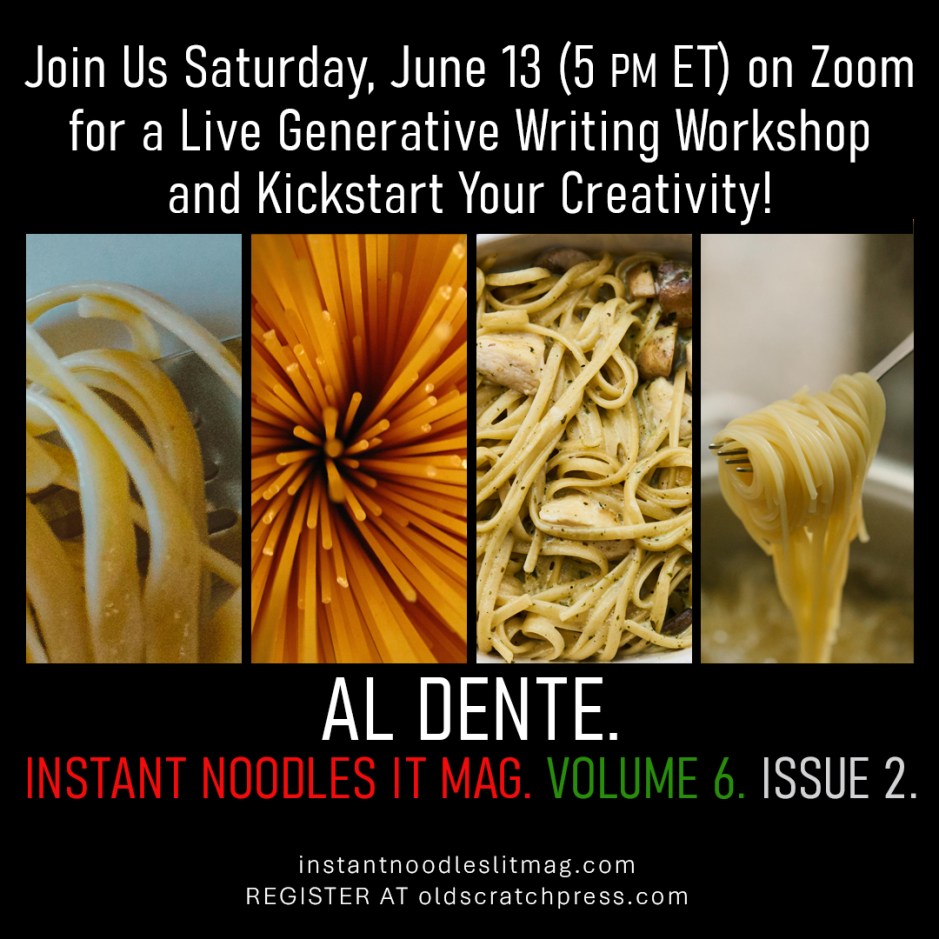
The Instant Noodles Lit Mag Al Dente Writing Workshop with Robert Fleming takes place today at 5 PM Eastern (2 PM Pacific), and we’d love to see you there.
Whether you’re a writer, poet, artist, or creative dabbler who occasionally stares out a window pretending to work, this free online workshop is designed to help spark ideas, answer questions about submissions, and get you thinking about our upcoming Al Dente issue.
No fancy credentials required. No publication history required. No secret literary handshake required.
Just bring yourself, your curiosity, and whatever creative project has been lurking in the back of your mind.
Seats are limited, and once the workshop starts, you’ll have to live with the knowledge that everyone else is talking about writing while you’re reorganizing a drawer or scrolling social media.
Register now.
We’ll save you a seat:

Join the Free Workshop!

Thinking about submitting to the upcoming Instant Noodles Lit Mag issue, Al Dente?
Before you hit “send,” join Editor Robert Fleming for a free online workshop on Saturday, June 13, at 5 PM Eastern (2 PM Pacific).
This informal session is designed for writers, poets, and artists who want to learn more about the theme, explore ideas, and discover what kinds of work might be a good fit for the issue.
Literary magazines can sometimes feel intimidating from the outside. This workshop is an opportunity to ask questions, generate new material, and connect with fellow creatives in a welcoming environment.
Whether you already have a submission in progress or are still waiting for inspiration to strike, you’ll leave with fresh ideas and a better understanding of where your work might fit.
Attendance is free, but seating is limited.
Reserve your spot today and help us make the next issue of Instant Noodles Lit Mag something special.
Got Writer’s Block? Bring It to Robert.

Every issue of Instant Noodles Lit Mag starts somewhere.
A line scribbled in a notebook. A strange image that won’t leave you alone. A poem that refuses to behave. A story that exists everywhere except on the page.
If you’ve been looking for a reason to finally sit down and create something, consider this your invitation.
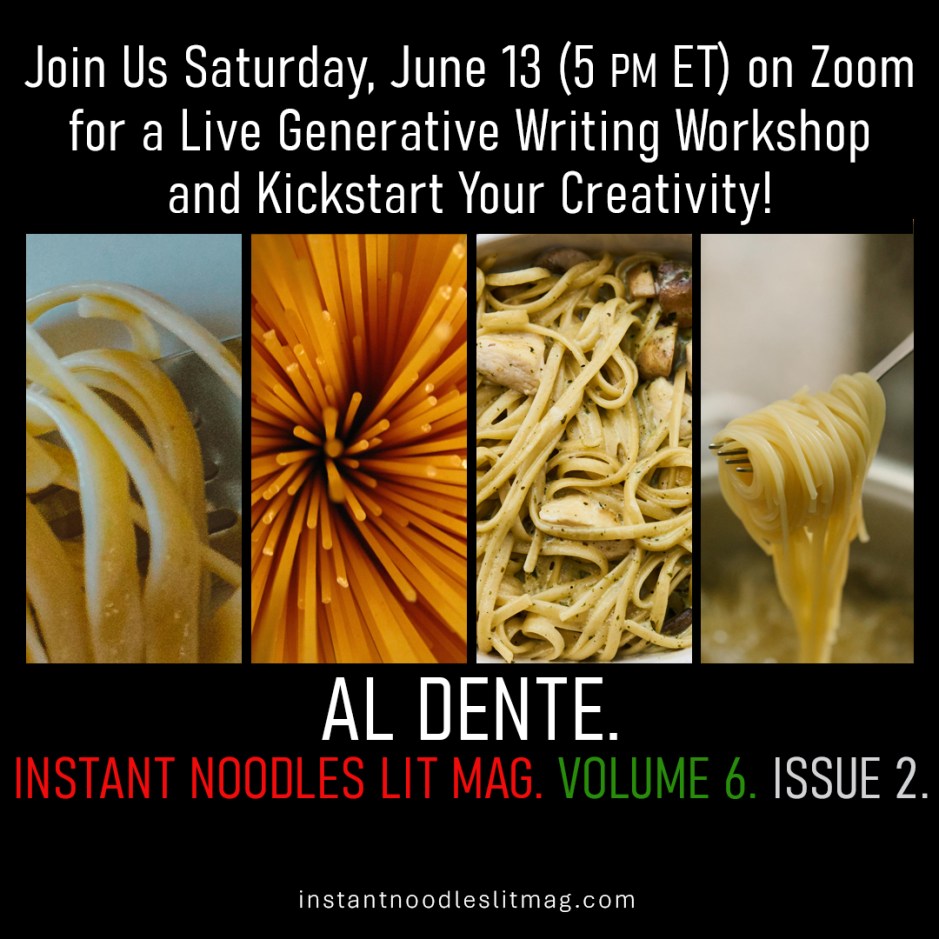
On Saturday, June 13, at 5 PM Eastern (2 PM Pacific), Instant Noodles Lit Mag Editor Robert Fleming will host a free online Al Dente Writing Workshop designed to help writers, poets, and artists generate ideas, get inspired, and learn more about submitting to our upcoming issue, Al Dente.
Whether you’re a seasoned contributor or someone who’s never submitted a piece before, you’re welcome to join us.
The workshop is free, but space is limited.
Bring your imagination. We’ll provide the noodles.
Register today and join us for an evening of creativity and community.
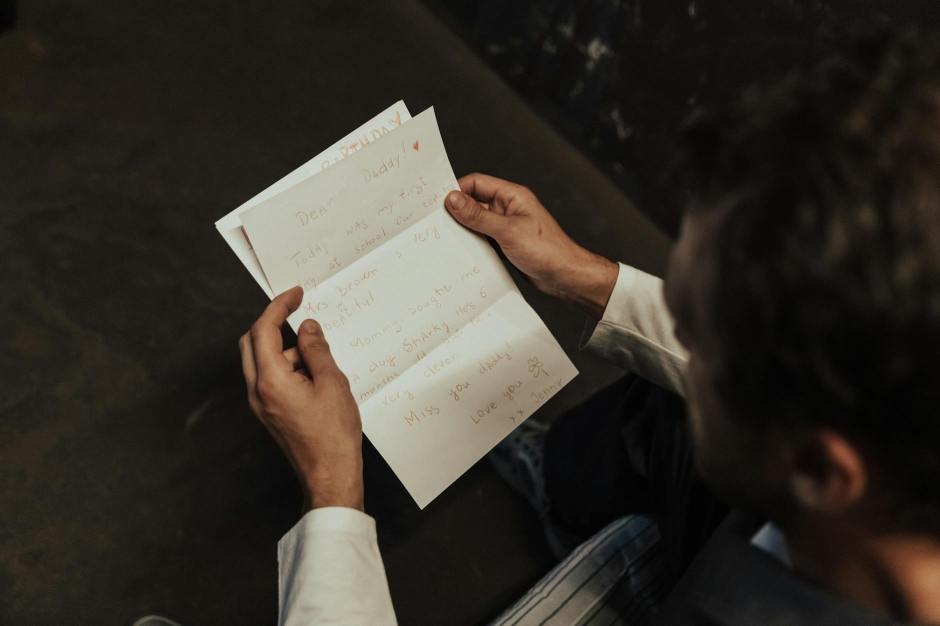
Crafting the Perfect Poem for Father’s Day
June, the start of summer and the month of graduations and weddings has begun. It’s a month of beginnings and endings.
I’m someone who likes to plan ahead, particularly if gift giving is involved. The holidays this month are Flag Day, Juneteenth, Father’s Day, and Summer Solstice.
This year Father’s Day falls on Sunday June 21st. I’ve been hearing advertisements for barbecue grills, power tools, personalized mugs.
But Father’s Day isn’t a day that has to be just about your father or the father of your children. And it doesn’t have to involve giving expensive items. It can be a good time to recognize the men in your life who have inspired you, as well as male friends and neighbors who have been helpful and caring.
As for gifts, the best gift is often a phone call, a card, the gift of time. From a writer, the best gift can be a story or poem.
Do not wait until the day before Father’s Day. I always find that my best work needs to sit for a while and undergo revisions before it is ready to be shared.
How to start. Everyone has their own technique. If I am writing a poem specifically to laud someone, I usually begin by listing everything about them I admire. We all notice different things. Details are important.
Or you can share an important memory and write it in prose or in verse. It can be serious or funny. Make someone laugh and you are halfway to penning something they’ll treasure.
You are writing your piece for one person. It does not have to be a masterpiece. One poet, who was popular in his time, was widely published in newspapers. His name was Edgar Guest and he was an English poet who lived a long life, 1881-1959. His poems definitely make me laugh. Here are two.
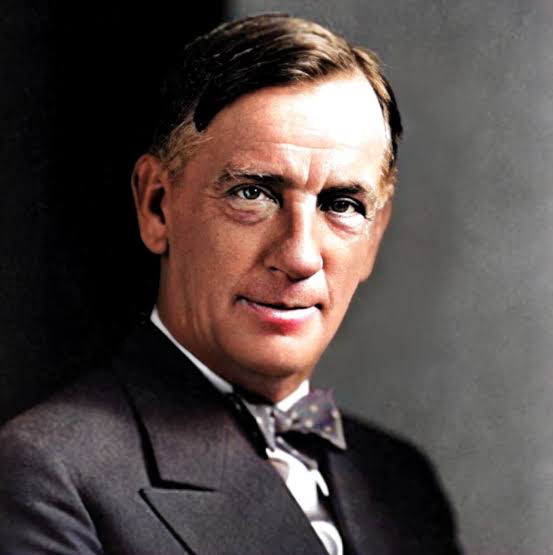
Father
By Edgar Guest
My father knows the proper way
   The nation should be run;
He tells us children every day
   Just what should now be done.
He knows the way to fix the trusts,
   He has a simple plan;
But if the furnace needs repairs,
   We have to hire a man.


My father, in a day or two
   Could land big thieves in jail;
There's nothing that he cannot do,
   He knows no word like "fail."
"Our confidence" he would restore,
   Of that there is no doubt;
But if there is a chair to mend,
   We have to send it out.


All public questions that arise,
   He settles on the spot;
He waits not till the tumult dies,
   But grabs it while it's hot.
In matters of finance he can
   Tell Congress what to do;
But, O, he finds it hard to meet
   His bills as they fall due.


It almost makes him sick to read
   The things law-makers say;
Why, father's just the man they need,
   He never goes astray.
All wars he'd very quickly end,
   As fast as I can write it;
But when a neighbor starts a fuss,
   'Tis mother has to fight it.


In conversation father can
   Do many wondrous things;
He's built upon a wiser plan
   Than presidents or kings.
He knows the ins and outs of each
   And every deep transaction;
We look to him for theories,
   But look to ma for action.
Only a Dad
By Edgar Guest
Only a dad with a tired face,
Coming home from the daily race,
Bringing little of gold or fame
To show how well he has played the game;
But glad in his heart that his own rejoice
To see him come and to hear his voice.

Only a dad with a brood of four,
One of ten million men or more
Plodding along in the daily strife,
Bearing the whips and the scorns of life,
With never a whimper of pain or hate,
For the sake of those who at home await.

Only a dad, neither rich nor proud,
Merely one of the surging crowd
Toiling, striving from day to day,
Facing whatever may come his way,
Silent whenever the harsh condemn,
And bearing it all for the love of them.

Only a dad but he gives his all
To smooth the way for his children small,
Doing with courage stern and grim,
The deeds that his father did for him.
This is the line that for him I pen:
Only a dad, but the best of men.
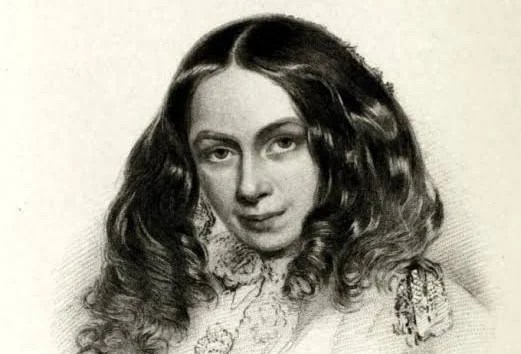
The famous English poet Elizabeth Barrett Browning, 1806-1861, was encouraged by her father to write poetry, and thus it is no surprise that she wrote poems especially for him. Here is one penned for his birthday.
To My Father on His Birthday
By Elizabeth Barrett Browning


Amidst the days of pleasant mirth,
That throw their halo round our earth;
Amidst the tender thoughts that rise
To call bright tears to happy eyes;
Amidst the silken words that move
To syllable the names we love;
There glides no day of gentle bliss
More soothing to the heart than this!
No thoughts of fondness e’er appear
More fond, than those I write of here!
No name can e’er on tablet shine,
My father! more beloved than thine!
‘Tis sweet, adown the shady past,
A lingering look of love to cast—
Back th’ enchanted world to call,
That beamed around us first of all;
And walk with Memory fondly o’er
The paths where Hope had been before—
Sweet to receive the sylphic sound
That breathes in tenderness around,
Repeating to the listening ear
The names that made our childhood dear—
For parted Joy, like Echo, kind,
Will leave her dulcet voice behind,
To tell, amidst the magic air,
How oft she smiled and lingered there.
Now it is time to write a poem or story of your own, in your style.
Elizabeth Barrett Browning may not be your style. The birthday poem to her dad was written when she was 20 years old. It captures her feelings at the time and was published in her 1826 poetry collection. Eventually she and her father had a falling out. He disowned her when she married the poet, Robert Browning.
Sometimes the memory or experience of something special, can help to inspire you. Remember you are writing for just one person, or maybe in this case two people, yourself and the recipient. Let your ideas flow and don’t start editing until you’ve written down all your thoughts.
If you’d like to create a card and a poem at the same time, here is a prompt on how to create Collage Poems. Whatever you come up with, if you consider it successful in capturing the essence of your dad, check out this opportunity to be published in the upcoming issue of Instant Noodles Literary Magazine,
THANK YOU FOR READING. FOLLOW US AT FACEBOOK AT https://www.facebook.com/OLDSCRATCHPRESS
How About Another Free Generative Workshop?
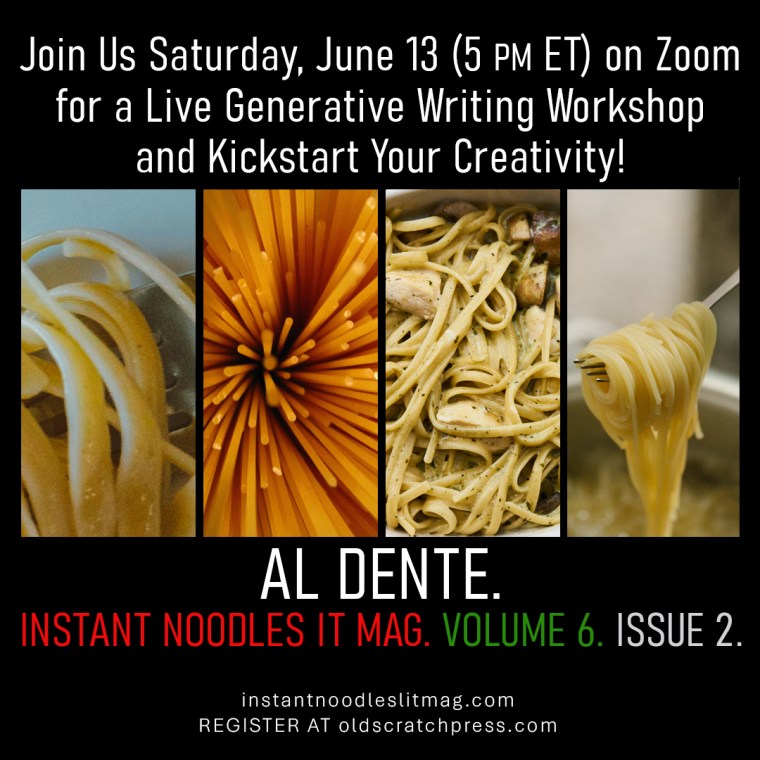
INSTANT NOODLES LIT MAG is seeking contributors for our upcoming issue, Al Dente — and we want your work
If you’re an indie writer, poet, or artist, join us Saturday, June 13, at 5 PM Eastern (2 PM Pacific) for a free online workshop to spark your creative energies and learn where to send completed submissions.
Hosted by Robert Fleming of Old Scratch Press, Instant Noodles Lit Mag, and the Rehoboth Beach Wrier’s Guild.
Seats are free, and limited. Three lucky participants will win a signed copied of an Old Scratch Press book!
And the Winner Is…..
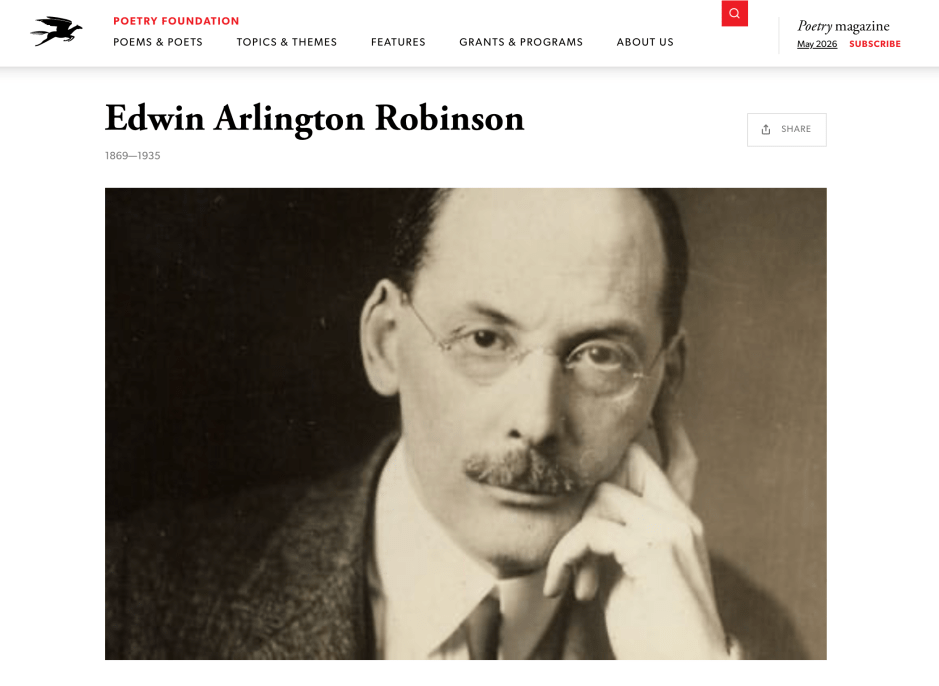
Yes, poetry collections win Pulitzer Prizes too. The 2025 Pulitzer Prize for Poetry has been awarded to Marie Howe’s New and Selected Poems. Howe is known for her observations of everyday life. She explores themes of contemporary womanhood, personal loss, human miracles, sorrow and joy. There are 111 poems in the winning collection. Howe’s direct and honest voice is her trademark. She’s a poet of our time who should not be missed. Some of her most well-known poems involve the loss of her brother in 1989 who died of AIDS-related illnesses. This is what drew me personally to her work many years ago, because I lost a brother about the same time in the same way. Here is one of her poems about this terrible sadness.
What the Living Do
Johnny, the kitchen sink has been clogged for days, some utensil probably fell down there.
And the Drano won’t work but smells dangerous, and the crusty dishes have piled up
waiting for the plumber I still haven’t called. This is the everyday we spoke of.
It’s winter again: the sky’s a deep, headstrong blue, and the sunlight pours through
the open living-room windows because the heat’s on too high in here and I can’t turn it off.
For weeks now, driving, or dropping a bag of groceries in the street, the bag breaking,
I’ve been thinking: This is what the living do. And yesterday, hurrying along those
wobbly bricks in the Cambridge sidewalk, spilling my coffee down my wrist and sleeve,
I thought it again, and again later, when buying a hairbrush: This is it.
Parking. Slamming the car door shut in the cold. What you called that yearning.
What you finally gave up. We want the spring to come and the winter to pass. We want
whoever to call or not call, a letter, a kiss—we want more and more and then more of it.
But there are moments, walking, when I catch a glimpse of myself in the window glass,
say, the window of the corner video store, and I’m gripped by a cherishing so deep
for my own blowing hair, chapped face, and unbuttoned coat that I’m speechless:
I am living. I remember you.
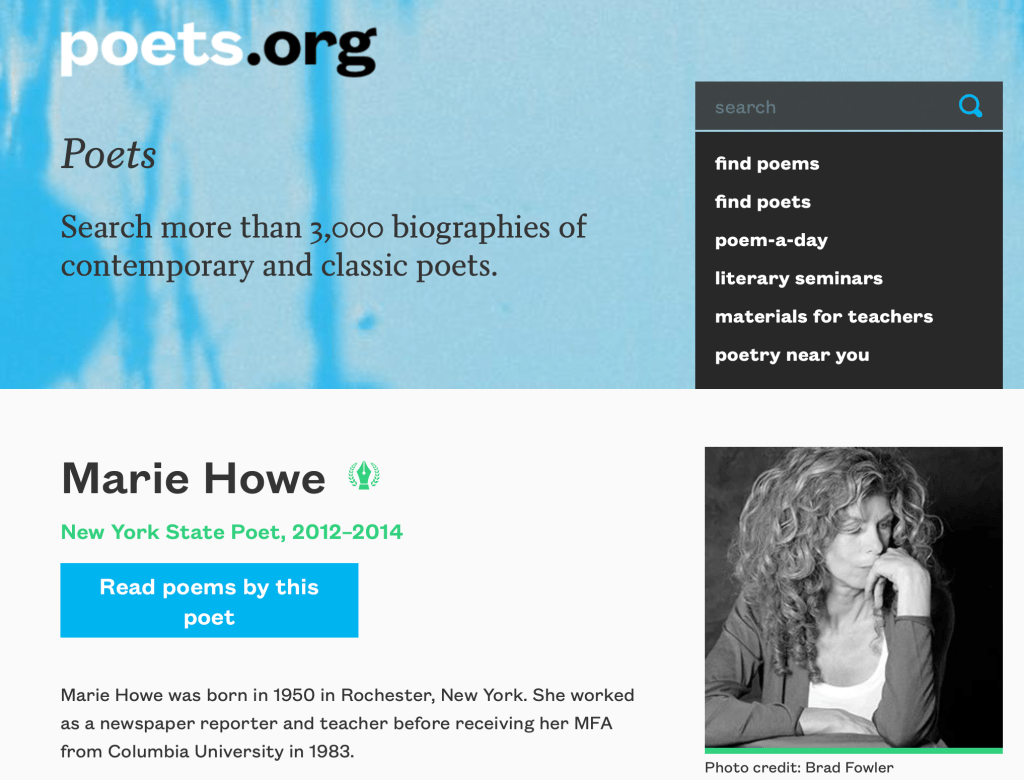
I thought it might be fun to revisit the winner of the first Pulitzer Prize for Poetry. That poet’s name was Edwin Arlington Robinson, and he won the prize two more times after being the first winner. He was known for his narrative skill and psychological depth. Here is what is considered by many to be his most famous poem. It seems a long time ago when he was writing poetry, yet when you read this poem in particular, it seems that he could be writing this poem today. This is because all poetry is about one very complicated subject: humanity.
Richard Cory
Edwin Arlington Robinson
Whenever Richard Cory went down town,
We people on the pavement looked at him:
He was a gentleman from sole to crown,
Clean favored, and imperially slim.
And he was always quietly arrayed,
And he was always human when he talked;
But still he fluttered pulses when he said,
“Good-morning,” and he glittered when he walked.
And he was rich—yes, richer than a king—
And admirably schooled in every grace:
In fine, we thought that he was everything
To make us wish that we were in his place.
So on we worked, and waited for the light,
And went without the meat, and cursed the bread;
And Richard Cory, one calm summer night,
Went home and put a bullet through his head.
Virginia Watts is the author of poetry and stories found in The MacGuffin, Epiphany, CRAFT, The Florida Review, Reed Magazine, Pithead Chapel, Eclectica Magazine among others. She has been nominated four times for a Pushcart Prize. Her debut short story collection Echoes from the Hocker House was short listed for 2024 Eric Hoffer Grand Prize, selected as one of the Best Indie Books of 2023 by Kirkus Book Reviews, and won third place in the 2024 Feathered Quill Book Awards. Please visit her.
Virginia’s new book is now available from Old Scratch Press:
Her prior poetry chapbooks Shot Full of Holes and The Werewolves of Elk Creek
are available from Moonstone Press. And her debut short story collection Echoes from the Hocker House is not to be missed!

